How Remote Buyers Can Purchase A Waikiki Condo
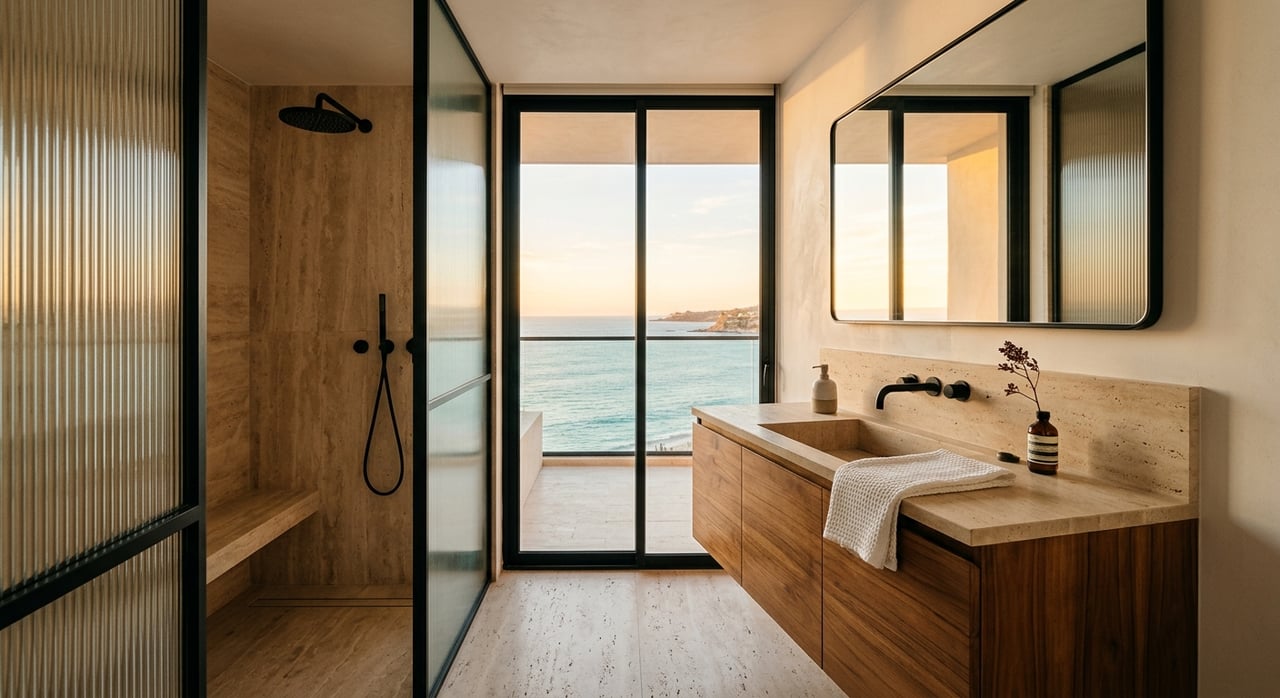
Buying a Waikiki condo from afar can feel like trying to make a big decision through a small screen. You want the view, the building, and the numbers to work, but you also need confidence in the process when you cannot be there in person for every step. The good news is that a remote purchase can be handled smoothly with the right local coordination, clear due diligence, and a solid understanding of Hawaii condo rules. Let’s dive in.
A condo is not just an apartment you own. In Hawaii, condominium ownership means you own your unit and also an undivided interest in the common elements, such as hallways, lobbies, roofs, and amenities.
That matters because your ownership comes with shared rules, shared costs, and shared building responsibilities. It also means a beautiful unit is only part of the story. The building’s documents, finances, maintenance history, and use restrictions all deserve close review.
It is also important to understand that CPR status does not change zoning, density, or use rules. If you are buying in Waikiki with future rental income in mind, you should treat condo ownership and legal use as two separate questions.
A remote condo purchase in Waikiki usually works best when your local broker, title company, and escrow team stay closely aligned. Hawaii’s Bureau of Conveyances notes that Hawaii is not a forms state and recommends attorney, title, or escrow help for ownership and recording questions.
Escrow in Hawaii is a regulated transaction where a neutral party holds money or documents affecting title until agreed conditions are met. For a remote buyer, that structure can add clarity and peace of mind because key steps are handled in an organized, documented sequence.
Much of the closing process can now happen from afar. Hawaii law allows remote online notarization for qualifying signers, and the law also permits remote online notarization for a signer outside the United States when the document involves U.S. property or other U.S.-jurisdiction matters, subject to the law’s conditions.
Hawaii also supports e-recording, which can help speed document turnaround and simplify workflow. In practical terms, that means many remote buyers can complete large parts of the process without needing to fly in just to sign or record documents.
When you are buying from the mainland or overseas, local support matters more than ever. A strong advisor can help coordinate details that do not translate well through listings alone, such as live or recorded video tours, inspection access, document collection, communication with title and escrow, and introductions to licensed local professionals.
This is especially valuable in Waikiki, where condo buildings can vary widely in age, condition, rules, and ownership structure. Two units with similar photos and price points may come with very different budgets, reserves, insurance realities, or rental limitations.
For remote buyers who want a smoother experience, white-glove coordination can reduce missed details and save time. You are not just buying square footage. You are buying into a building, a governance structure, and a set of ongoing obligations.
One of the smartest things you can do as a remote buyer is slow down long enough to read the full condo package. Hawaii’s condo buyer checklist says you should obtain and review the bylaws, declaration, house rules, annual budget, reserve study, audit, insurance, and the names of the property manager and attorney.
You should also review board and association meeting minutes. Those records can reveal special assessments, lawsuits, capital improvements, delinquencies, recalls, collections, and insurance claims.
This paper trail often tells you more than a marketing flyer ever will. If the building has recurring maintenance issues, funding pressure, or unresolved disputes, the minutes and financial documents may show it.
For many Waikiki condos, reserve strength is one of the biggest due diligence items. Reserve studies and budgets help show when major building components may need replacement and how much money has already been set aside.
An old reserve study or a missing one can be a warning sign. Hawaii’s condo guidance notes that a well-run condominium often has a sizable, growing reserve fund that can help buffer owners from major special assessments.
If reserves are thin and building systems are aging, you may be stepping into future costs that are not obvious from the listing price. That is why a lower purchase price is not always the better value.
Many Hawaii condo buildings were built in the 1970s and 1980s, and the Insurance Division notes that many are now more than 40 years old. In older Waikiki towers, items such as pipes, windows, concrete spalling, decks, and railings may be nearing or past useful life.
Deferred maintenance deserves careful review because it can lead to both special assessments and rising insurance costs. For a remote buyer, this is where local inspections, document review, and building-specific questions become essential.
Insurance is a major issue for condo buyers in Hawaii right now. The state Insurance Division notes that Hawaii is in a hard insurance market with limited master-policy options for condo buildings.
That means you should look beyond the monthly maintenance fee and ask what kind of master coverage the building carries, whether there have been premium increases, and whether any coverage gaps have affected owners. Insurance can influence both your ongoing costs and your future resale options.
Flood and hurricane coverage also deserve separate attention. The Insurance Division says most standard homeowners, condo unit-owner, and renters policies do not cover flood damage, and flood insurance is available separately through the National Flood Insurance Program.
The state also notes that Hawaii’s Hurricane Relief Fund can provide hurricane-only master coverage for condominium and townhouse AOAO buildings when private-market coverage is unavailable, with applications submitted through a licensed insurance producer. If hurricane coverage is insufficient, that can affect mortgage marketability and reduce the future buyer pool for the building.
Many remote buyers look at Waikiki condos for personal use plus rental flexibility. That can be a reasonable goal, but you should never assume that a Waikiki condo automatically allows legal short-term rental use.
Honolulu’s Department of Planning and Permitting says short-term rentals are only permitted in resort-zoned areas, and any owner or operator renting a qualifying unit for fewer than 30 days must register each unit separately. Existing nonconforming-use certificate holders may be exempt from the newer registration system.
The key point is simple: verify before you buy. The city says owners can confirm eligibility through the STR Eligibility Map or by requesting written zoning verification.
This is where remote buyers sometimes get tripped up. Even if you own the condo unit, ownership does not override zoning or building rules.
You should confirm three separate things if rental use matters to you:
A unit can look ideal on paper and still fall short of your income goals if those three items do not line up.
If you are considering new construction or a developer sale, Hawaii has a few rules that matter for remote buyers. Condominium projects must be registered before units are offered for sale, and the developer’s public report is the key disclosure document for prospective buyers.
The project’s effective date means the developer has disclosed material facts and units may be sold. It does not mean the state is approving the quality or value of the project.
A title report is especially important here. Hawaii’s condominium materials describe it as indispensable for identifying easements, covenants, conditions, restrictions, agreements, and liens that could materially affect value.
For remote buyers hoping for a fully digital process, there is one more detail to know. In some developer sales, the public report still must be delivered in paper, while the declaration, bylaws, house rules, and map can be delivered electronically if you elect that method separately in writing.
Remote buyers often feel at a disadvantage because they are not walking into the building lobby, talking with residents, or reading bulletin boards in person. One way to close that gap is to use Hawaii’s condo education tools early.
The DCCA condominium portal offers a public database of condo projects that have registered for legal developer sales and the most recent biennial association registration. It also provides access to condo laws, rules, buyer education materials, and records forms.
Even if your advisor is handling the process, these tools can help you ask sharper questions. Better questions often lead to better decisions.
If you want to keep the process organized, this basic sequence can help:
A remote purchase works best when each step builds on the last one. The more clarity you create upfront, the fewer surprises you are likely to face later.
Buying a Waikiki condo from afar does not have to feel distant or uncertain. With the right guidance, careful document review, and a grounded understanding of Hawaii’s condo, insurance, and use rules, you can make a decision that feels both exciting and well informed. If you are planning a remote Waikiki condo purchase and want polished, concierge-level support from search to closing, Elise Lee can help you navigate the process with local insight and care.
Stay up to date on the latest real estate trends.

Elise brings a fresh, creative international perspective to her Luxury Real Estate, Concierge & Interior Design career. She chairs the Honolulu Board of Realtors® City Affairs Committee, is on the Board of Directors for the Hawaii Economic Association, an Officer in the Confrérie de la Chaîne des Rôtisseurs Hawaii Bailliage.