Staging An Occupied Kahala Home For A Premium Sale
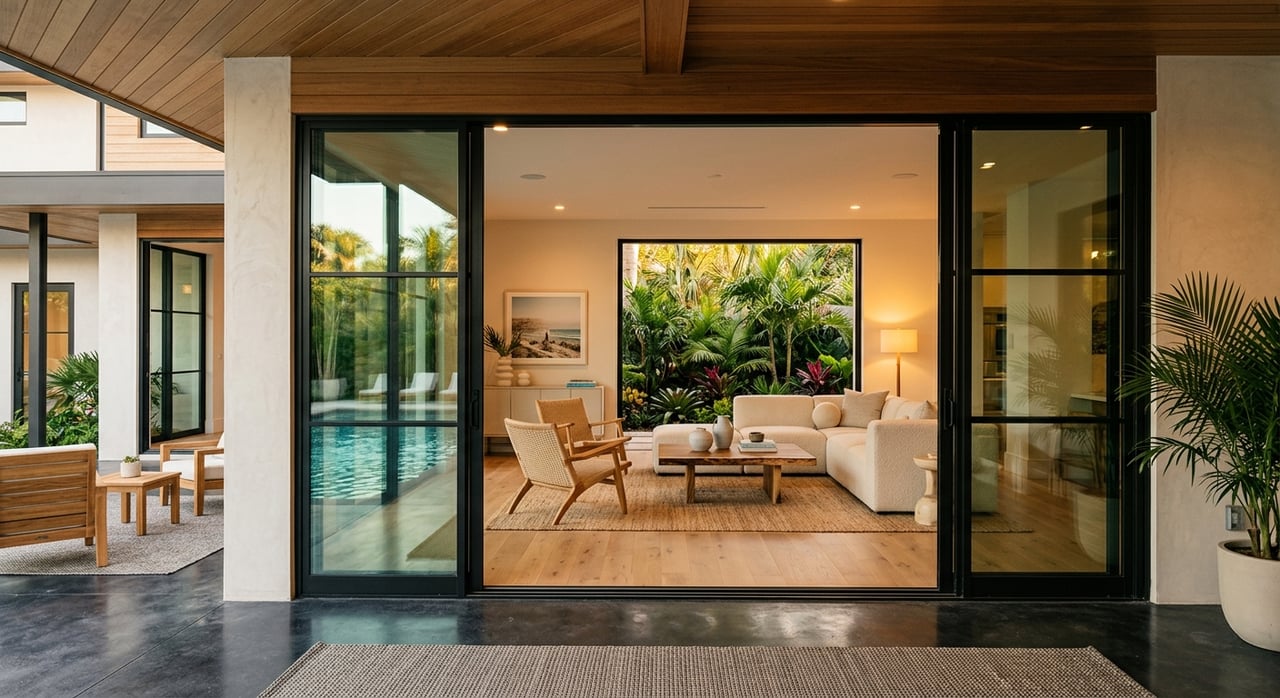
Selling a lived-in Kahala home can feel like a balancing act. You want your property to look polished and memorable, but you also still need to cook dinner, store daily essentials, and keep life moving while your home is on the market. The good news is that occupied-home staging does not have to mean a full reset. With the right plan, you can make your home feel calm, elevated, and photo-ready in ways that support a premium sale. Let’s dive in.
Waialae-Kahala is a small Honolulu neighborhood with 9,039 residents and 3,584 households, based on 2018 to 2022 ACS estimates reported by the City and County of Honolulu. In a neighborhood where many sellers are still living in their homes during the listing period, staging that works around daily life is especially relevant.
Presentation matters even more when price points are high. In the Honolulu Board of REALTORS® April 2024 market update, Waialae-Kahala single-family homes posted a median sales price of $1,875,000 and a median 39 days on market. In this range, buyers expect a home to feel intentional from the first photo to the final showing.
Staging helps create that impression. According to the National Association of Realtors 2025 Profile of Home Staging, 83% of buyers’ agents said staging made it easier for buyers to visualize a property as a future home. That is a practical advantage when you want your Kahala home to stand out in both listing media and in-person tours.
If you are staging an occupied home, think about photography before anything else. Buyers often form their first impression online, and NAR’s 2025 staging data found that 73% of buyers’ agents rated photos as important, while videos and virtual tours also carried weight.
That means your first goal is not perfection in every corner. Your first goal is to make the spaces that show up most prominently online feel open, clean, and easy to understand. For most occupied Kahala homes, the rooms that deserve your earliest attention are the living room, primary bedroom, kitchen, and entry.
NAR’s report supports that priority order. Buyers’ agents ranked the living room as the most important room to stage, followed by the primary bedroom and kitchen. If your time or budget is limited, start there.
The living room often carries the emotional weight of the home. It is where buyers picture relaxing, gathering, and enjoying the property’s light, layout, and flow. In an occupied home, that usually means removing extra seating, thinning out accessories, and creating clear walking paths.
A refined room does not need to look empty. It should simply feel edited. A few books, a restrained accent color, and well-placed pillows can keep the room warm without letting it feel crowded.
The primary bedroom should feel restful and spacious. Fresh bedding, clear nightstands, and reduced personal items can go a long way. If the room includes oversized furniture or extra storage pieces, consider removing one or two items to improve balance.
This is also a room where daily habits can quickly undo the effect. Plan for simple routines such as making the bed each morning, clearing chargers and water bottles, and storing laundry out of sight before showings.
A clean, calm kitchen signals that the home has been well cared for. Clear the counters as much as possible, keep only a few purposeful items visible, and store away anything that creates visual clutter. Even small changes can help the room read better in photos.
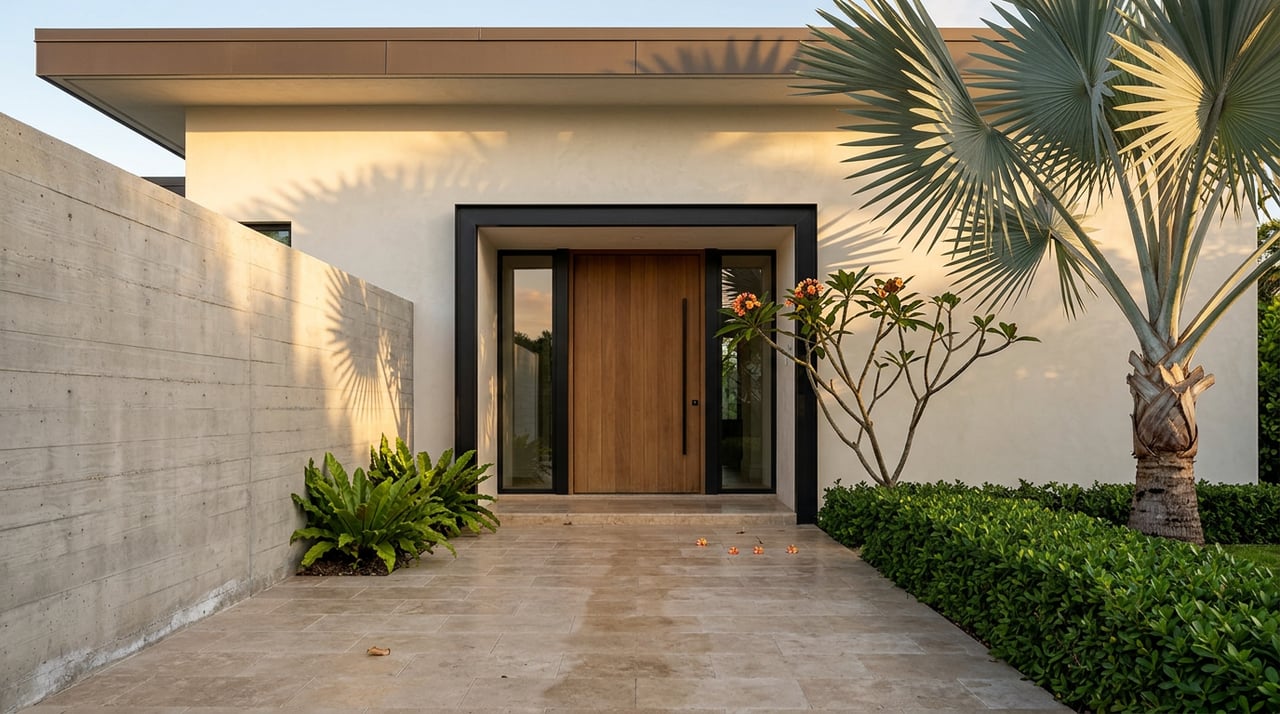
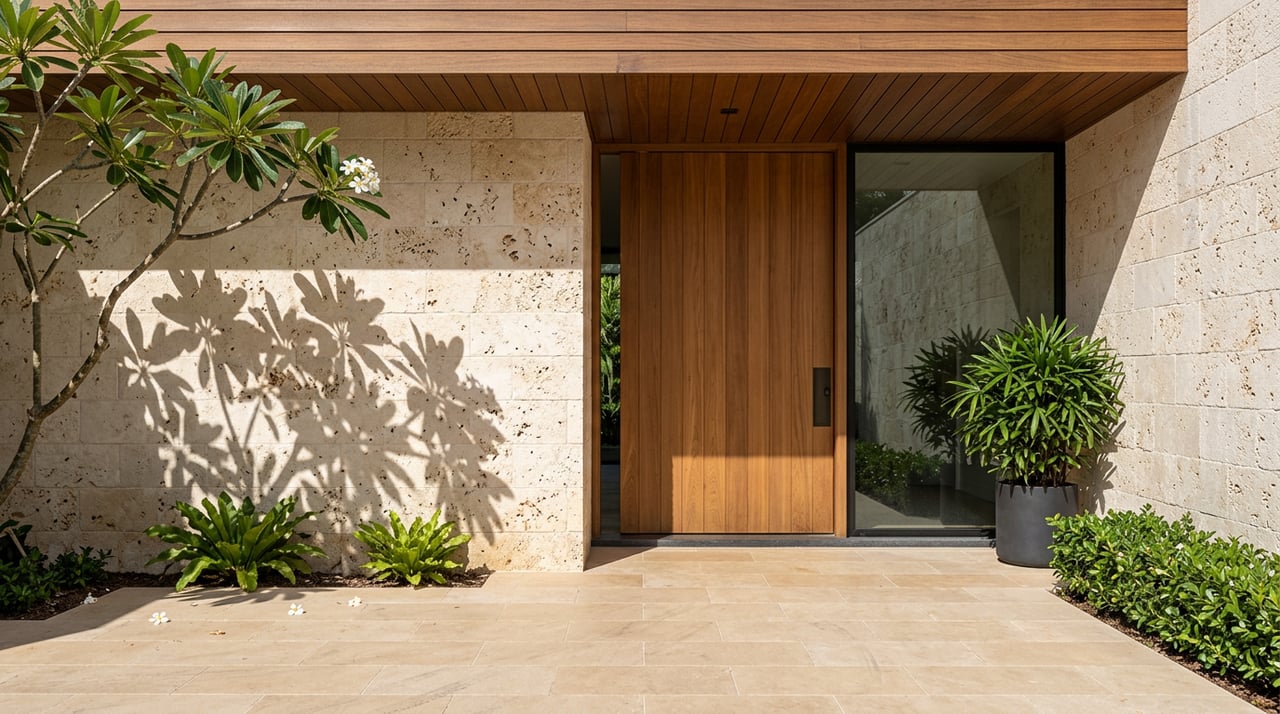
The entry sets the tone before a buyer sees anything else. NAR recommends a clean and welcoming entrance with a doormat, manicured landscaping, and potted plants. In Kahala, where buyers often notice arrival experience right away, this first impression can shape how the rest of the home feels.
Occupied-home staging starts with editing, not remodeling. NAR’s consumer staging guidance recommends packing away personal items such as family photos, toiletries, medicines, firearms, and valuables. This helps buyers focus on the home itself while also protecting your privacy.
Closets deserve attention too. NAR recommends keeping closets about half full by moving overflow into storage. Full closets can make even a generous home feel tighter than it is.
If you are unsure how much to remove, use this rule of thumb: if an item tells your personal story more than it supports the room, pack it. The goal is not to erase warmth. The goal is to create breathing room so buyers can imagine their own lives there.
One of the biggest misconceptions about staging is that everything must become bland. That is not true, especially in a luxury home. NAR’s personalized staging guidance supports a middle path where a home can still feel welcoming and layered, just not overly specific to one household.
You can usually keep a few books, select art, and simple lifestyle touches in place. What tends to work best is restraint. Large hobby collections, visible political or religious décor, and clusters of family photos are better stored away during the marketing period.
For Kahala homes, this often means leaning into calm composition. Let architecture, natural light, and indoor-outdoor flow lead the story. Then add just enough texture and color to keep the home feeling lived in, but elevated.
For many sellers, a Feng Shui-informed presentation feels especially natural in a premium Oʻahu home. While this is not a formal real estate rule, it aligns well with NAR’s guidance around clean sightlines, reduced clutter, and clear circulation.
In practical terms, that means making it easy to move through each room without visual friction. Keep pathways open, reduce excess objects, and choose a restrained palette with a few intentional focal points. The result is often a home that feels more composed, more spacious, and easier to connect with.
This approach also fits the Kahala buyer mindset. In a high-value home, buyers are often responding not just to square footage, but to atmosphere. A calm, balanced presentation can support that emotional connection.
Even beautiful homes can lose momentum when presentation feels inconsistent. NAR identifies several common mistakes that sellers should avoid, especially when living in the property during the listing period.
Too much furniture can make rooms feel smaller and less functional. If a buyer has to work to understand the layout, the room is not helping your sale. Remove bulky or unnecessary pieces first.
An occupied home needs a higher daily standard once it is listed. Buyers notice dust, countertop buildup, streaked glass, and clutter very quickly. Cleanliness supports both photos and in-person confidence.
Overly bold paint, heavy accessories, and strongly personal décor can pull attention away from the home’s architecture. In Kahala, where many homes have strong indoor-outdoor appeal and generous room proportions, distraction is rarely your friend.
Not every occupied home needs the same level of help. NAR outlines three practical formats: full in-person staging, a staging consultation with a to-do list, and virtual staging.
Full in-person staging can include rearranging your existing furniture and bringing in a few rented or borrowed pieces if needed. This can be a smart fit if your home has strong bones but needs a more editorial, cohesive look for luxury marketing.
A consultation can work well if your home is already in good condition and you mainly need expert direction. This gives you a targeted checklist without fully outsourcing the process.
Virtual staging may be useful in select cases, especially for empty or under-furnished spaces. If any photo enhancement materially alters the property, it should be disclosed. That keeps marketing clear and credible.
Sellers sometimes assume staging will be too expensive to justify. NAR reported a median spend of $1,500 when a staging service was used and $500 when the seller’s agent handled staging. While every home is different, that provides a useful frame of reference.
In a market where presentation can influence both offer strength and time on market, staging is often a measured investment rather than an extra expense. NAR’s May 2025 release reported that 29% of agents saw a 1% to 10% increase in the dollar value offered after staging, and 49% of sellers’ agents observed reduced time on market for staged homes.
For a premium Waialae-Kahala listing, those numbers matter. A thoughtful staging plan can support the kind of first impression that protects value from the start.
The best occupied-home staging plan is one you can actually maintain. If the system is too complicated, it will not hold up through repeated showings. That is why simple routines usually work best.
Consider a short daily reset checklist like this:
You may also want one or two storage zones that make fast cleanup easier. A few baskets, bins, or temporary off-site storage options can help you stay show-ready without feeling like you have to live in a model home.
In Kahala, buyers are not just comparing price points. They are comparing feeling, finish, and how confidently each home presents itself from the first photo onward. When your home is occupied, staging is really about making daily life and premium marketing work together.
That is where a design-led, highly organized approach can make a real difference. With careful editing, strategic room priorities, and a calm visual plan, your home can stay livable while still presenting at a level that supports a stronger sale.
If you are preparing to sell in Waialae-Kahala and want a tailored strategy for an occupied luxury property, Elise Lee offers staging, interior design, Feng Shui consultation, and concierge marketing designed to elevate your home with discretion and care.
Stay up to date on the latest real estate trends.

Elise brings a fresh, creative international perspective to her Luxury Real Estate, Concierge & Interior Design career. She chairs the Honolulu Board of Realtors® City Affairs Committee, is on the Board of Directors for the Hawaii Economic Association, an Officer in the Confrérie de la Chaîne des Rôtisseurs Hawaii Bailliage.