Preparing Your Gold Coast Condo For A Discreet Sale
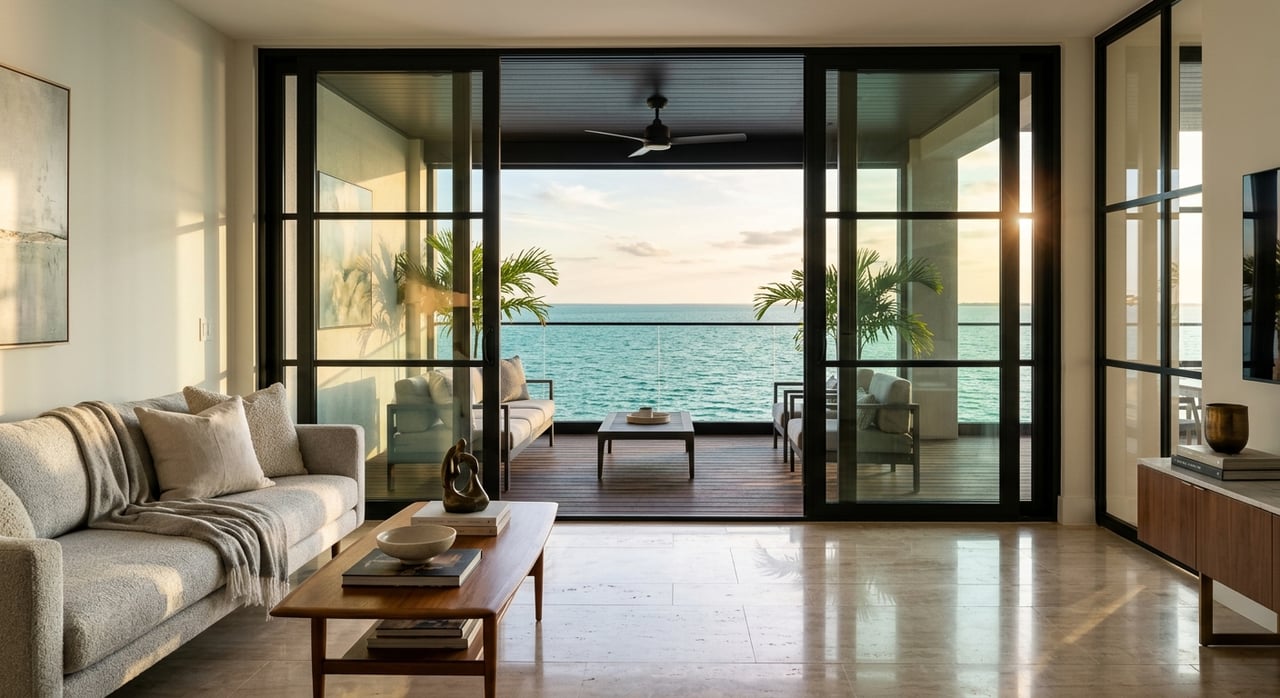
Selling a Gold Coast condo quietly sounds simple, but in Waikiki’s current market, privacy works best when it is paired with strong preparation. You may want fewer public eyes on your home, more control over showings, and a process that respects both your lifestyle and your building. The good news is that a discreet sale can still be highly effective when your condo is document-ready, beautifully presented, and thoughtfully launched. Let’s dive in.
Waikiki condo sellers are operating in a market where buyers have options. In early 2026, Honolulu’s condo market carried elevated inventory, and the median condo sale was taking more than 40 days, with most properties selling below original list price. Realtor.com also described Waikiki as a buyer’s market in March 2026, which means buyers often feel more comfortable comparing homes, negotiating, and asking detailed questions.
That matters even more on the Gold Coast, where buyers are not just evaluating the view or the address. They are also looking closely at monthly carrying costs, reserves, and any sign of future expense. With condo insurance premiums contributing to higher fees in 2025, a premium unit needs to feel worth the number from the very first impression.
A discreet sale does not mean underprepared marketing or limited professionalism. It usually means being intentional about how your home is introduced, how many people see it, and how much public exposure it receives. The goal is to protect privacy while still giving qualified buyers enough information to understand the opportunity.
In practice, that often looks like a controlled launch, a curated set of polished images, and private showings by appointment. Instead of casting the widest possible net right away, you focus on quality presentation and measured access. That approach fits both the luxury expectations of the Gold Coast and the practical realities of condo living.
In Hawaiʻi, condominium associations are self-governing, and owners, tenants, employees, and guests must comply with the declaration, bylaws, and house rules. Before scheduling photography, previews, or private tours, you should confirm what your building allows for guest access, parking, elevator use, and vendor entry.
This step is especially important for a discreet sale because smooth logistics help preserve calm in the building. You do not want last-minute confusion over where a photographer can park or whether a buyer’s car can enter guest parking. Clear guidance upfront helps the process feel respectful and well-managed.
A quiet launch works better when it aligns with the property’s daily flow. In many condo buildings, certain times of day bring more foot traffic, busier elevators, or tighter parking conditions. Scheduling previews and showings around those patterns can make the experience easier for both your guests and your neighbors.
Advance notice may also be needed for elevator reservations or guest coordination. Rather than assuming access, it is wise to ask the association or managing agent what procedures apply. That simple step can prevent friction and support the discreet tone you want.
For a Gold Coast condo, privacy and readiness go hand in hand. Hawaii law requires sellers of residential real property subject to a recorded declaration to provide a disclosure statement and, when applicable, key governing documents such as the declaration, bylaws, and house rules, along with rules related to common areas, architectural control, maintenance, and assessments.
The required disclosure must be delivered no later than 10 calendar days after contract acceptance. After receiving it, the buyer has 15 calendar days to review the material and potentially rescind. If your paperwork is not organized early, a smooth acceptance can quickly turn into a stressful scramble.
Many Gold Coast buildings are older, and that can make document accuracy more important. Hawaii’s Real Estate Branch notes that records for older condo projects may be out of date, so owners should confirm current maps, declarations, and bylaws through the proper channels and obtain accurate copies from the association as needed.
If you are preparing for a sale, this is not a detail to leave until the last minute. A buyer reviewing a premium condo will expect clarity. Clean records help support trust and reduce unnecessary delay.
Monthly costs are under more scrutiny in today’s condo market. Because rising insurance costs have helped push some fees higher, buyers are paying close attention to maintenance fees, reserves, and the possibility of special assessments.
Before your unit goes live, confirm whether a fee increase or assessment is pending. Hawaii condominium guidance also notes that maintenance fee increases require 30 days’ written notice. Knowing the current status allows you to prepare accurate information and avoid surprises during negotiations.
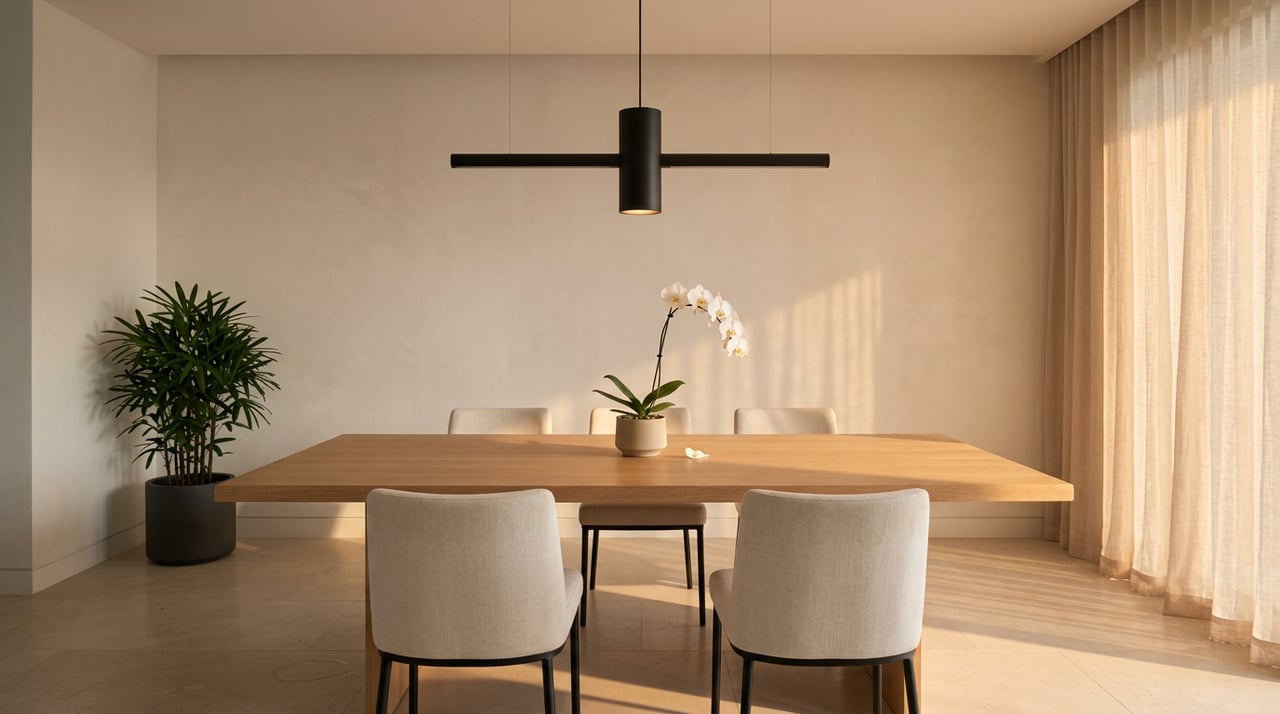
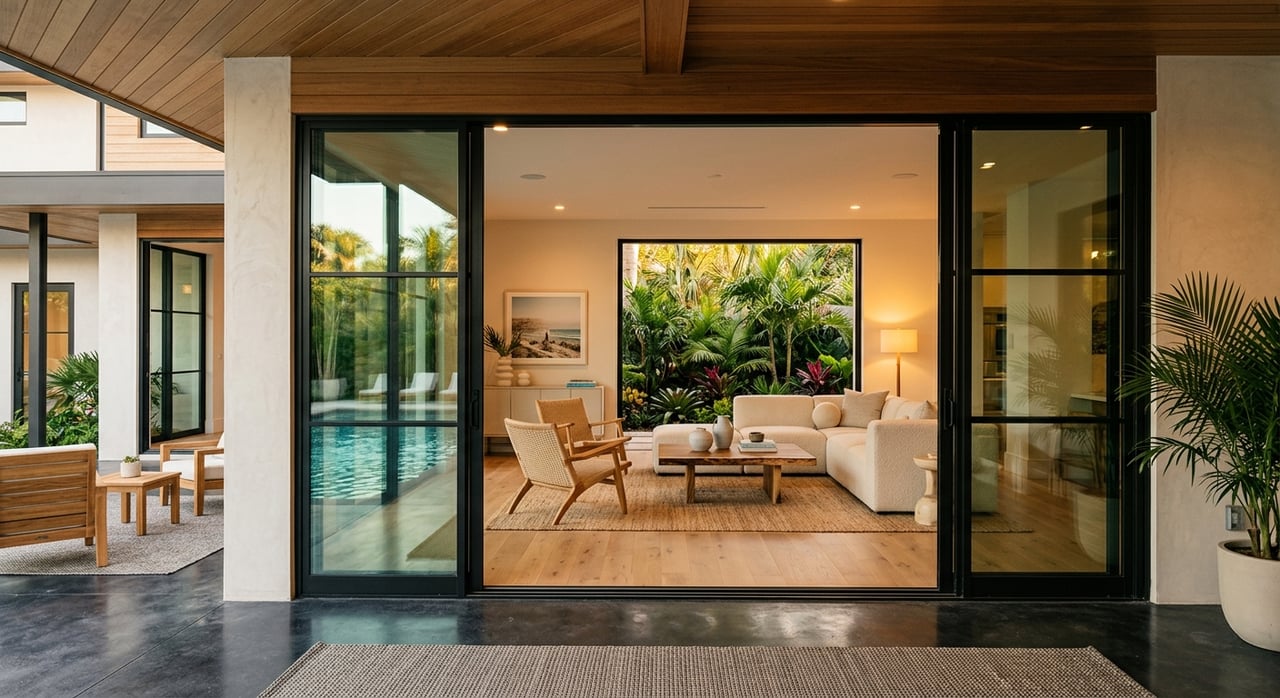
For a luxury oceanfront condo, staging does not need to be elaborate to be effective. It needs to help buyers immediately understand the space, the light, and the view. In a Gold Coast residence, that often means protecting open sightlines, keeping furnishings proportional, and making sure nothing competes with the oceanfront setting.
The strongest places to focus are usually the living room, primary bedroom, dining area, and kitchen. That aligns with 2025 staging data showing these are the rooms most commonly staged and most important to buyer perception. If you invest selectively, those spaces typically carry the most visual weight.
A discreet sale benefits from a calm, edited look. Personal items, visual clutter, and worn soft goods can pull attention away from the architecture and natural light. Thoughtful decluttering helps the residence feel more spacious, more memorable, and easier for buyers to imagine as their own.
This does not mean stripping away all warmth or character. It means creating a setting where the home, not the contents, becomes the focus. In a view-driven condo, every styling decision should support that goal.
High-quality visuals matter because photography is often the buyer’s first showing. According to the 2025 Profile of Home Staging, buyers’ agents rated photos as one of the most important tools for their clients, alongside physical staging, video, and virtual tours. The same report found that 83% of buyers’ agents said staging made it easier for buyers to visualize a home as a future home.
For a discreet listing, the answer is not more images. It is better images. A smaller set of polished, intentional photos can create a stronger impression while limiting unnecessary public exposure.
In a slower condo market, first impressions have more weight. With elevated inventory and more buyer choice, your first week on the market is often your strongest opportunity to stand out. If you launch before the unit is fully prepared, you may lose momentum that is hard to rebuild.
That is why a discreet strategy should never feel half-finished. Privacy works best when the property is already staged, photographed, document-ready, and logistically coordinated. A controlled debut can be powerful, but only if it feels complete.
One of the most common questions sellers ask is how private marketing can be without limiting the buyer pool too much. The answer is usually not all-or-nothing. Instead, it is a calibrated plan that protects your privacy while still giving qualified buyers and their representatives enough access to act.
That might include private previews, limited appointment windows, and carefully chosen marketing materials. The right balance depends on your building, your goals, and current market conditions. In Waikiki, where buyers often have leverage, limiting noise should not mean limiting quality.
A well-run showing schedule helps preserve discretion. Rather than creating frequent interruptions, it is often better to group appointments into defined windows with advance notice. That gives you more control and helps your building team manage guest access more smoothly.
Structured scheduling also improves the buyer experience. When arrivals, parking, and elevator use are clearly planned, the showing feels polished instead of improvised. That kind of ease reflects well on the property.
Selling a condo is different from selling a standalone home because your showing process touches common areas and building operations. Guests may pass through a lobby, use an elevator, or rely on building staff for access. A discreet sale should account for that shared environment from the beginning.
When your plan respects house rules and everyday building life, it tends to run better for everyone involved. It also reinforces the sense of professionalism that premium buyers expect.
Even experienced homeowners can underestimate how much condo buyers want to review beyond the unit itself. Buyers may fall in love with the view, but they still want confidence in the governance, fees, rules, and practical ownership picture. If those answers are slow or incomplete, hesitation can follow.
The other common oversight is assuming discretion means doing less. In reality, a quiet sale usually requires more coordination, not less. The smoother and more private you want the process to feel, the more preparation needs to happen behind the scenes.
For Gold Coast sellers, that preparation often includes curated staging, refined photography, early document gathering, and a launch schedule tailored to the building. When those pieces come together, discretion becomes an asset instead of a limitation.
If you are considering a private or low-profile sale in Waikiki, working with an advisor who understands luxury presentation, condo logistics, and the nuances of Gold Coast marketing can make the process feel far more seamless. To start the conversation, connect with Elise Lee.
Stay up to date on the latest real estate trends.
Elise brings a fresh, creative international perspective to her Luxury Real Estate, Concierge & Interior Design career. She chairs the Honolulu Board of Realtors® City Affairs Committee, is on the Board of Directors for the Hawaii Economic Association, an Officer in the Confrérie de la Chaîne des Rôtisseurs Hawaii Bailliage.