Designing An Entertainer’s Home In Diamond Head
Are you designing a Diamond Head home for quiet mornings and unforgettable evenings? In this part of Honolulu, the setting does a lot of the work for you, but great entertaining still depends on thoughtful planning. When your home is meant to welcome family and friends with ease, every detail matters, from the floor plan to the lanai to the way the breeze moves through a room. Let’s dive in.
Diamond Head, or Lēʻahi, is one of Oʻahu’s most recognized landmarks, with sweeping views that stretch from Koko Head to Waiʻanae. In a home setting, that kind of backdrop naturally shapes how people gather. It encourages a design approach that protects view corridors and treats outdoor areas as a true extension of the main living space.
The local climate also supports a lifestyle centered on hosting. Honolulu’s prevailing northeasterly trade winds are common through much of the year, especially in summer, which makes airflow and shaded outdoor living especially important. At the same time, winter rains and periods of higher humidity mean a beautiful entertaining home should also be practical, comfortable, and prepared for changing conditions.
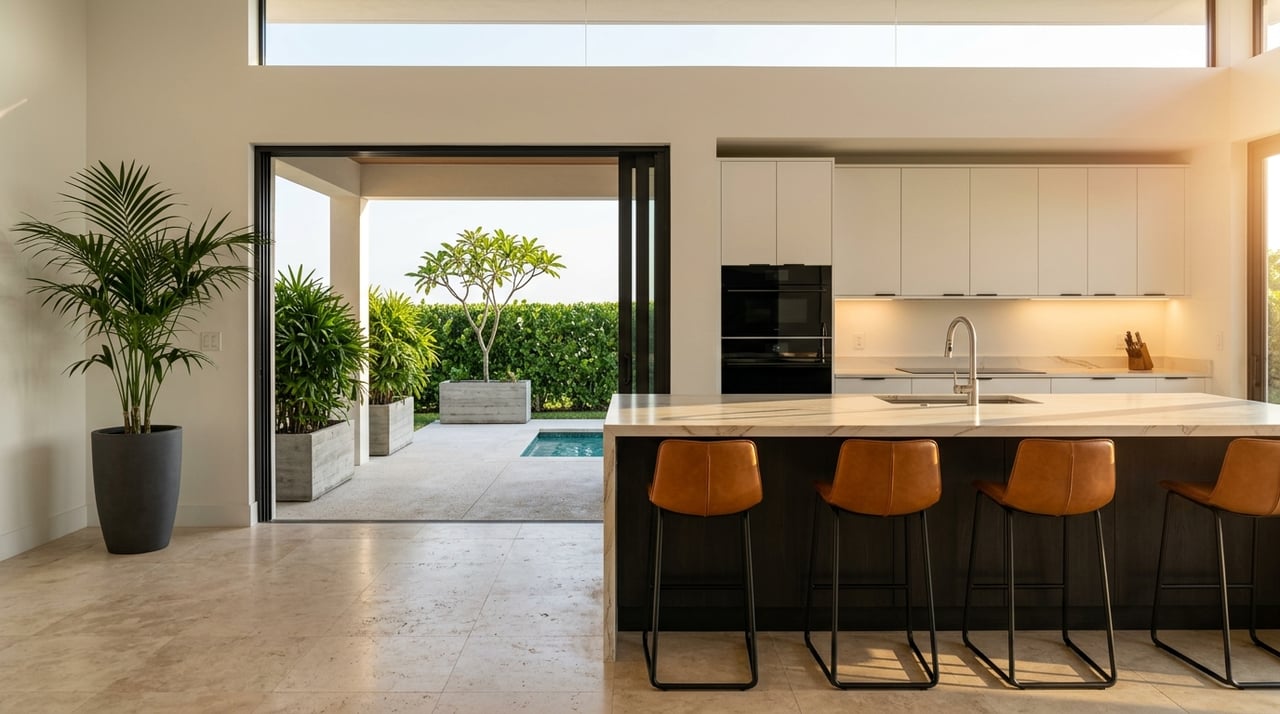
If you want your home to feel inviting, start with the spaces where people naturally come together. In Hawaiʻi, hospitality often feels more relaxed and connected, with the kitchen, dining area, and lanai working as one shared social zone. That layout helps guests move easily and keeps the host part of the conversation.
A strong entertaining floor plan usually begins with clear sightlines. When you can see from the kitchen to the dining table and out to the lanai, the home feels larger, brighter, and more connected. It also helps gatherings flow without forcing people into separate pockets.
For many gatherings, the kitchen becomes the anchor. A large island can serve several purposes at once, including prep space, buffet-style serving, and casual seating. In a home designed for entertaining, that flexibility matters as much as the finish selections.
A separate prep kitchen or butler’s pantry can make a noticeable difference. It gives you a place to keep extra dishes, catering supplies, and behind-the-scenes mess out of view. The main kitchen then stays calm, polished, and guest-friendly during an event.
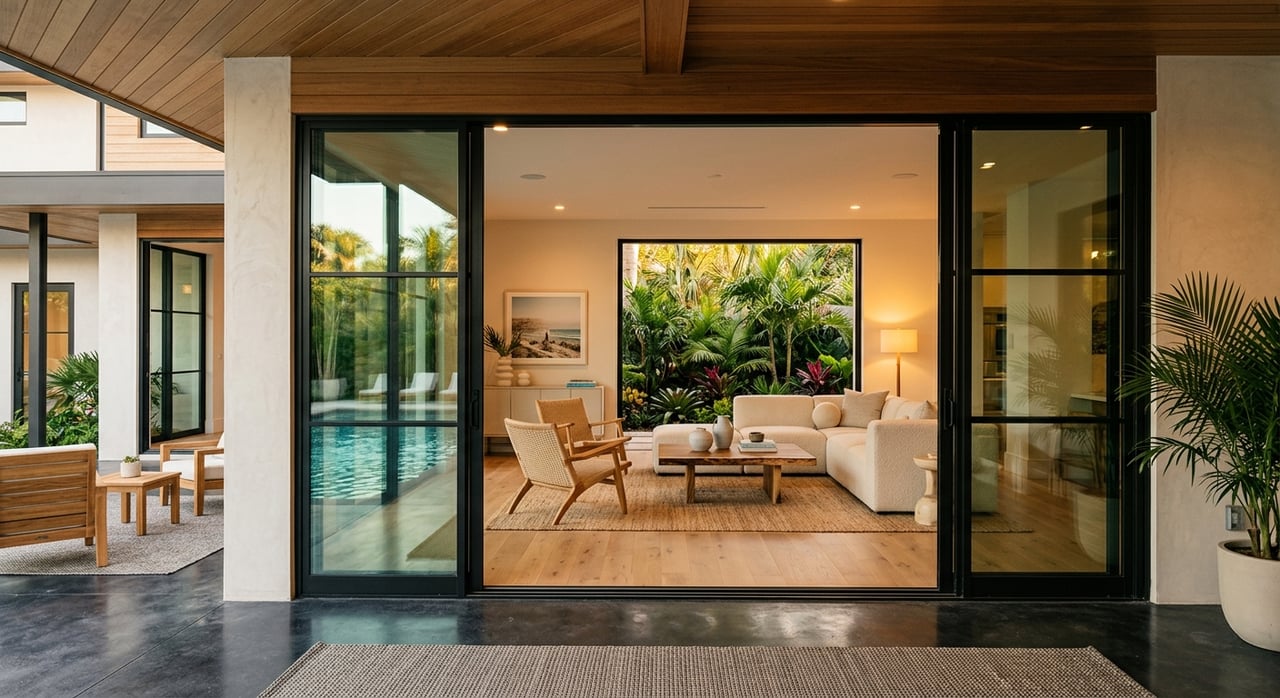
One of the easiest ways to improve a hosting layout is to think about circulation. Wide openings between the kitchen and lanai, especially with large sliding or pocketing doors, can help guests move naturally between spaces. That indoor-outdoor flow is especially valuable in Diamond Head, where climate and views are part of the experience.
A beverage or bar area placed just outside the main cooking path is another smart move. It gives guests a place to gather without crowding the cook. Small choices like this often make a home feel gracious and effortless.
Entertaining rarely looks the same from one week to the next. One night may call for a small dinner, while the next brings a larger holiday gathering. Flexible seating, movable chairs, and layered lounging areas help your home adapt without feeling overdesigned.
Built-in banquettes, a round dining table, or a pair of seating zones on the lanai can all support that flexibility. The goal is not to fill every corner. It is to create a setting that can expand and contract comfortably.
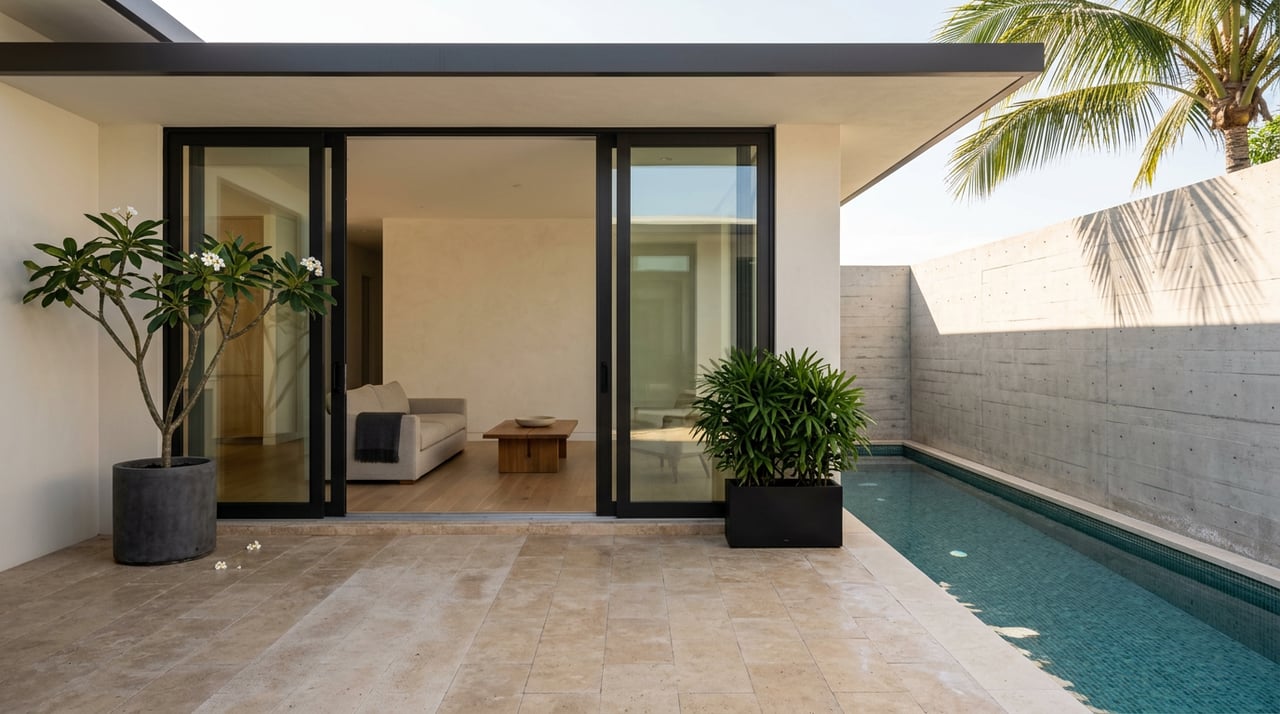
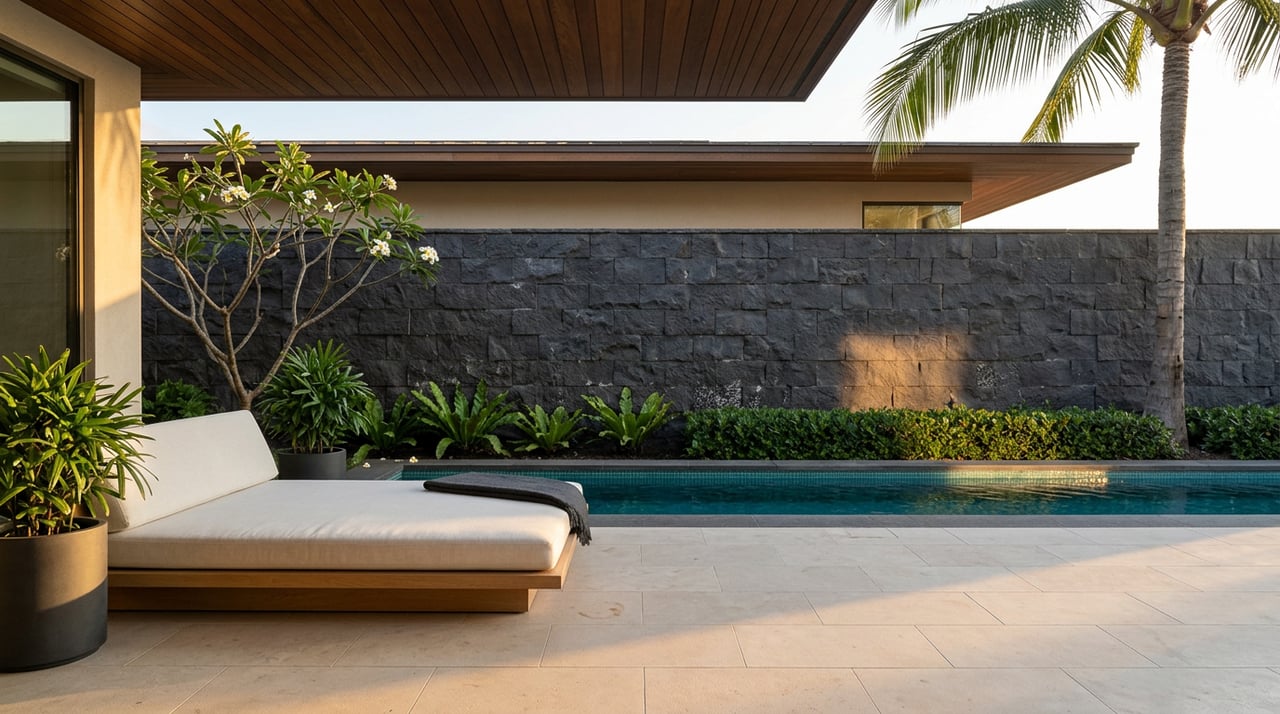
In Diamond Head, the lanai is often just as important as the living room. When it is done well, it becomes the place where people linger longest. That means comfort, protection, and durability should shape the design as much as style.
Trade winds can make outdoor areas pleasant, but exposure to sun, salt air, and occasional wet weather requires durable planning. Shaded seating, protected dining areas, and materials that handle coastal conditions well can help your outdoor space stay beautiful over time. Entertaining feels much easier when the lanai is ready for daily use, not just special occasions.
A good lanai balances exposure and protection. Overhead cover, strategically placed walls, or landscape screening can create a more comfortable pocket for dining and conversation. These elements can also help soften stronger wind and provide relief from midday sun.
Cross-ventilation still matters, so the space should not feel closed off. The best outdoor entertaining areas allow air to move through while still offering enough shelter for comfort. That balance is especially important when humidity rises during kona conditions or when the weather turns wet.
Near the ocean, salt and wind affect more than just plantings. Hardware, finishes, and outdoor furnishings should be selected with exposure in mind. Corrosion-resistant materials and easy-care surfaces can preserve a polished look with less ongoing stress.
Storage also deserves attention. If you use cushions, table linens, or serving pieces outdoors, a discreet storage solution can keep those items protected during rain or heavy moisture. Practical details like this often separate a merely pretty space from one that truly works.
Outdoor entertaining works best when your hardscape can handle real weather. Well-drained surfaces and permeable materials, where site conditions allow, can help water move away efficiently. This is especially useful in a place where winter rains can be intense.
Slightly raised thresholds at doors can also add a layer of protection. These details may not be the first thing guests notice, but they help preserve comfort and reduce interruptions during changing weather. In a coastal location, resilient design is part of good design.
A beautiful entertaining home in Diamond Head does not need a delicate, high-maintenance garden. In fact, the local coastal environment often rewards restraint. Salt spray, wind, and wet periods can be hard on plants, so the best landscapes are usually layered, durable, and intentional.
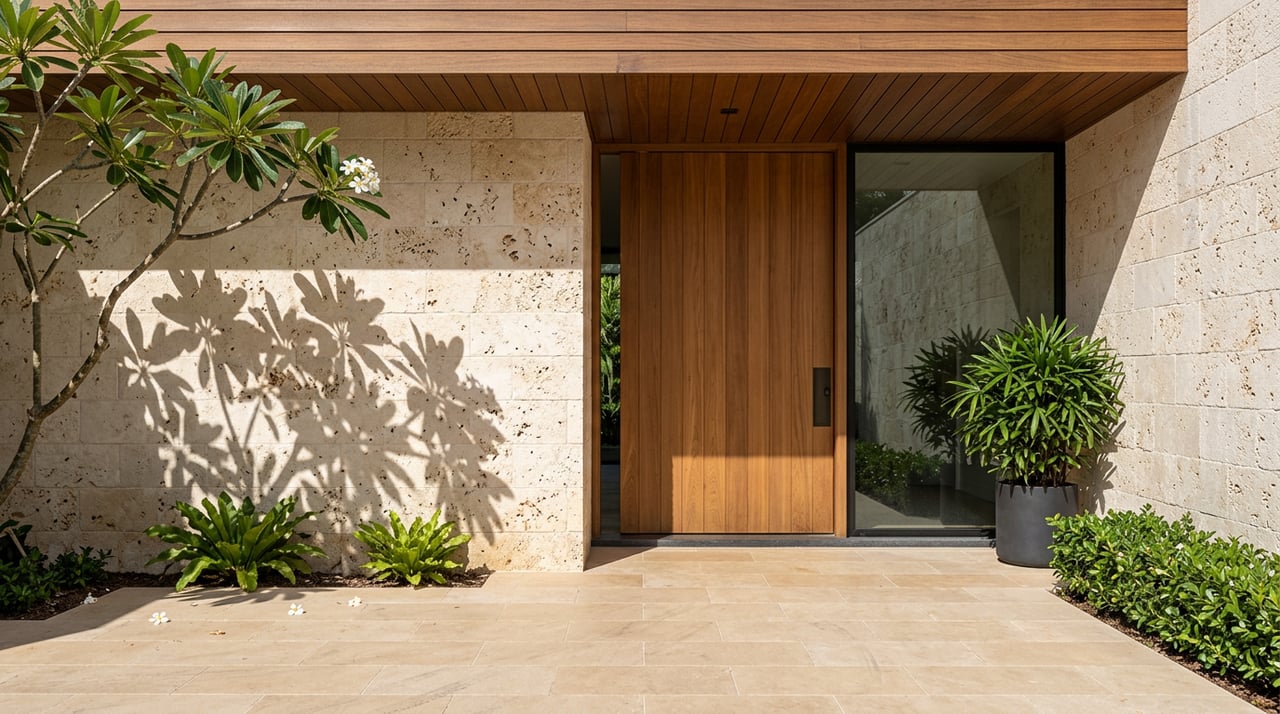
Planting should frame the home rather than compete with it. This can help preserve views, create privacy where needed, and guide movement between the house and outdoor gathering areas. A composed landscape also supports the calm, elevated feeling many homeowners want in a luxury setting.
Near-ocean landscapes on Oʻahu often benefit from plants that can handle salt exposure and wind. Examples identified by UH CTAHR include pōhinahina, ʻilima papa, scaevola taccada, and palms such as loulu, coconut, and date palms. These choices can help a garden look consistent and settled even after breezy afternoons.
Palms can be especially effective as vertical framing elements. They often perform better and look better with some wind protection and thoughtfully chosen companion plantings. That layered approach can make a garden feel more refined and more durable.
Landscaping can do more than soften edges. It can create outdoor rooms for dining, lounging, or quiet conversation. A protected dining pocket, for example, can make a lanai feel more intimate without blocking openness.
Low plantings near view lines and taller elements at the perimeter can help maintain a sense of scale. This is a subtle way to support entertaining while keeping the setting visually calm. In Diamond Head, simplicity often reads as luxury.
If you regularly host visiting family or friends, a guest suite deserves thoughtful attention. In a home shaped by hospitality, this space should feel private, restful, and easy to use. It should not feel like an afterthought.
A well-designed guest suite may include an ensuite bath, useful closet storage, and some separation from the main entertaining zones. A small sitting nook or access to a garden path can add a sense of retreat. These choices help guests feel comfortable while preserving privacy for everyone.
The most memorable entertainer’s homes in Diamond Head often feel connected to Hawaiʻi without relying on theme-driven design. Natural textures, locally made art, and island-appropriate planting can create warmth and depth in a more lasting way. The overall effect should feel calm, welcoming, and respectful of place.
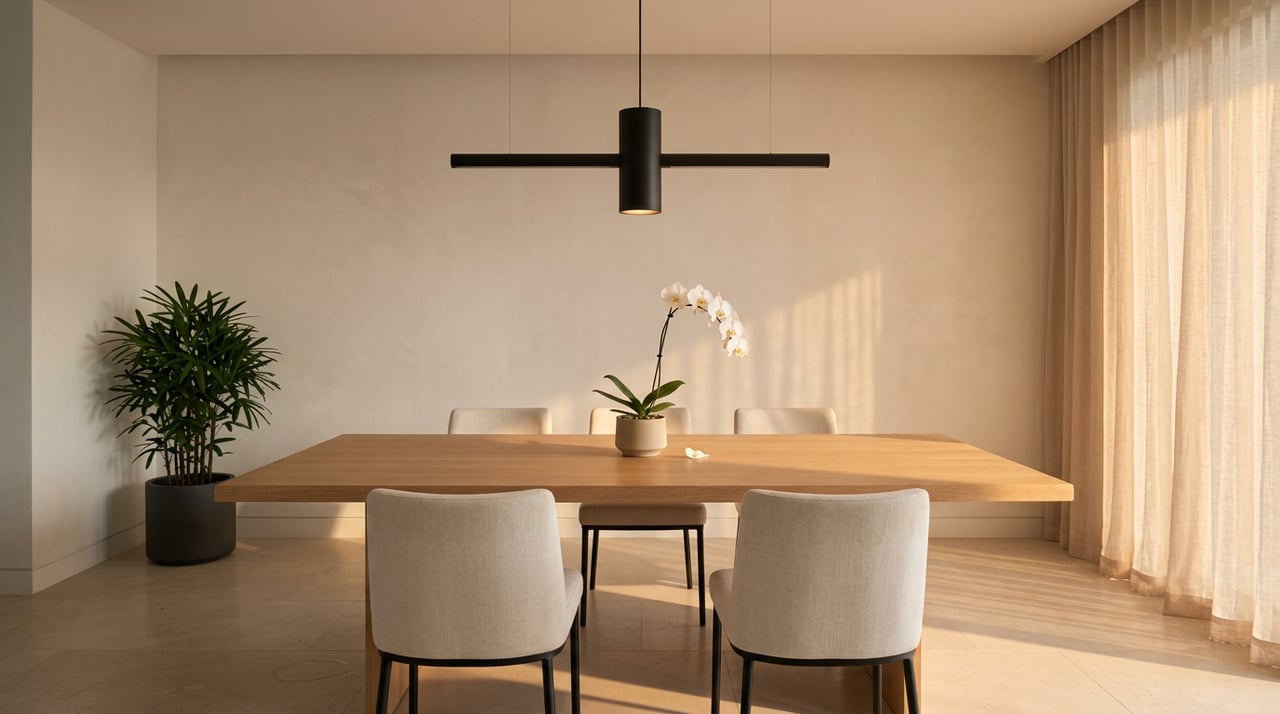
This same approach works well in the dining and living areas. Spaces that invite people to gather, linger, and converse often feel more luxurious than rooms designed only to impress. A home with a strong sense of place tends to leave the strongest impression.
If Feng Shui is part of your design approach, it often works best when it stays understated and practical. Clear entry circulation, balanced furniture placement, natural light, and visual ease can all support a home that feels composed and welcoming. In an entertainer’s home, that sense of flow matters.
Used thoughtfully, this kind of guidance can complement the broader values of aloha, care, and respect for the home’s setting. It does not need to feel formal or decorative. Instead, it can quietly support comfort, harmony, and ease during everyday living and special gatherings alike.
The best entertainer’s home in Diamond Head is not just beautiful in photos. It works well when guests arrive, when the weather shifts, and when everyday life resumes the next morning. That means your layout, lanai, landscape, and guest spaces should all support both hospitality and durability.
If you are preparing to buy, sell, or refine a luxury property in Diamond Head, design choices can shape not only how the home lives but also how it is perceived. For tailored guidance on presentation, layout potential, and lifestyle-driven value, connect with Elise Lee.
Stay up to date on the latest real estate trends.
Elise brings a fresh, creative international perspective to her Luxury Real Estate, Concierge & Interior Design career. She chairs the Honolulu Board of Realtors® City Affairs Committee, is on the Board of Directors for the Hawaii Economic Association, an Officer in the Confrérie de la Chaîne des Rôtisseurs Hawaii Bailliage.