How Diamond Head Views Influence Luxury Home Value
If you have ever wondered why two luxury homes near Diamond Head can feel similar on paper yet sell in very different price ranges, the view is often a big part of the answer. In this part of Honolulu, buyers are not simply paying for square footage or an address. They are paying for a living experience shaped by sightlines, privacy, orientation, and how rare that outlook feels. Understanding that difference can help you buy or sell more strategically in one of Oʻahu’s most closely watched luxury markets. Let’s dive in.
Diamond Head is not just a recognizable landmark. It is part of a special district in Honolulu that was created to preserve the crater’s natural appearance and prominent public views. The district names public vantage streets such as Ala Wai Boulevard, Paki Avenue, Diamond Head Road, Date Street, Campbell Avenue, Kalakaua Avenue, Kapahulu Avenue, Monsarrat Avenue, 12th Avenue, and 18th Avenue.
That matters for home values because open sightlines are treated as part of the area’s character. In the district’s core area, taller fences and walls must be set back and landscaped, which reflects a broader effort to reduce visual intrusion. The district also aims to preserve the park-like character of the immediate slopes, including Kapiolani Park, so green outlooks can carry real value even when a home is not directly on the water.
For oceanfront parcels, regulation becomes even more layered. Shoreline properties may also fall under special management area and shoreline setback rules, which can make development more restricted than on ordinary inland lots. For buyers and sellers, that means the value of a view is often tied not just to beauty, but also to how protected or difficult to replicate that setting may be.
In Diamond Head, view pricing is usually not a flat premium. It behaves more like a ladder, where broader and more permanent view packages tend to move homes into higher price bands. That is especially true in the luxury segment, where buyers compare not only the home itself but also the quality and scarcity of what they see from it.
Public-market examples help illustrate the pattern. A home at 626 W Hind Dr sold for $2.9 million with garden and mountain views, showing that a scenic but non-oceanfront outlook can still support a significant luxury price point. At the coastal end, 5019 Kalanianaole Hwy sold for $1.999 million as an oceanfront retreat, which suggests that frontage alone does not automatically create a trophy price if the home or site is smaller or older.
As the view package becomes broader and more private, the pricing ladder rises. The sale at 4157 Black Point Rd reached $6.6 million with coastline, ocean, and sunrise views plus substantial ocean frontage. A home at 2984 Makalei Place sold for $5.295 million with a wide mix of Diamond Head, garden, mountain, ocean, and sunset views, while 3239 Noela Drive sold for $12 million with a sweeping panorama that included city, coastline, Diamond Head, garden, mountain, ocean, and sunset views.
The takeaway is simple. In Diamond Head, luxury value tends to increase as the view becomes more expansive, more layered, more private, and harder to obstruct. But that premium sits on top of other factors such as lot size, condition, privacy, and whether the property has true ocean frontage.
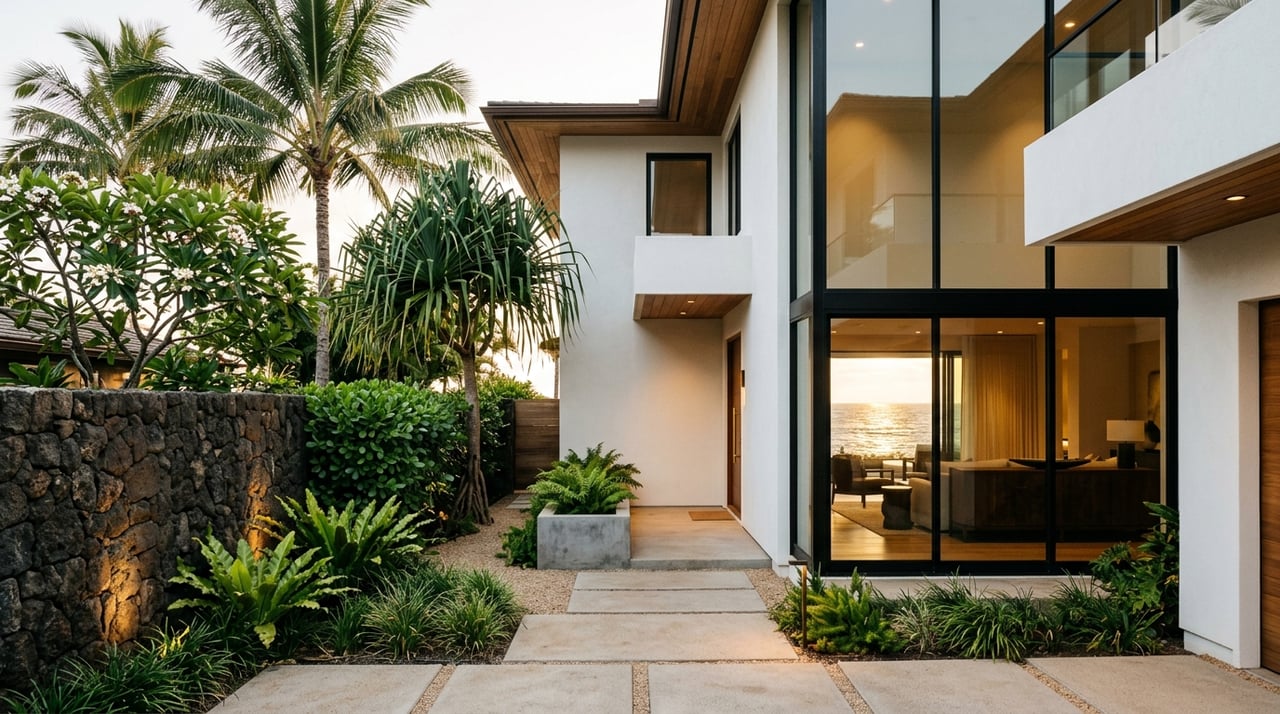
A view may catch attention first, but buyers usually pay for more than the photo moment. They are often evaluating how the view lives day to day. That includes whether the lanai is truly usable, how natural light moves through the home, whether breezes reach key rooms, and whether sunrise, sunset, or fireworks can be enjoyed from interior living spaces.
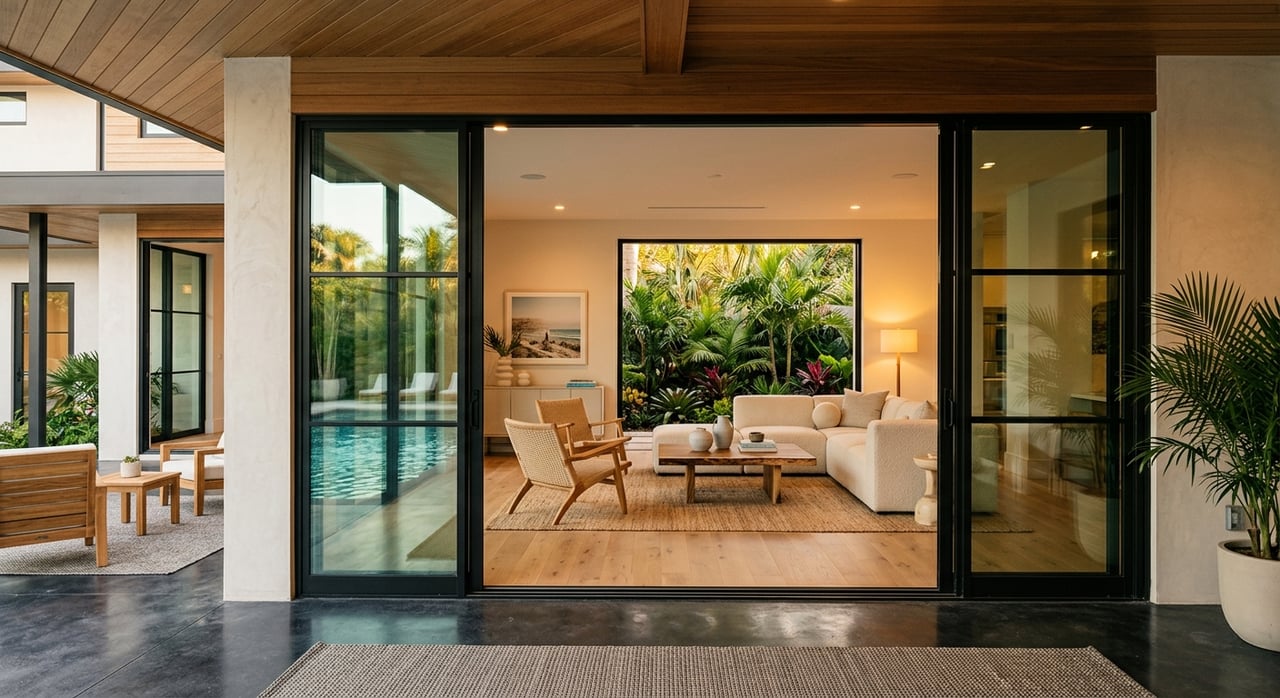
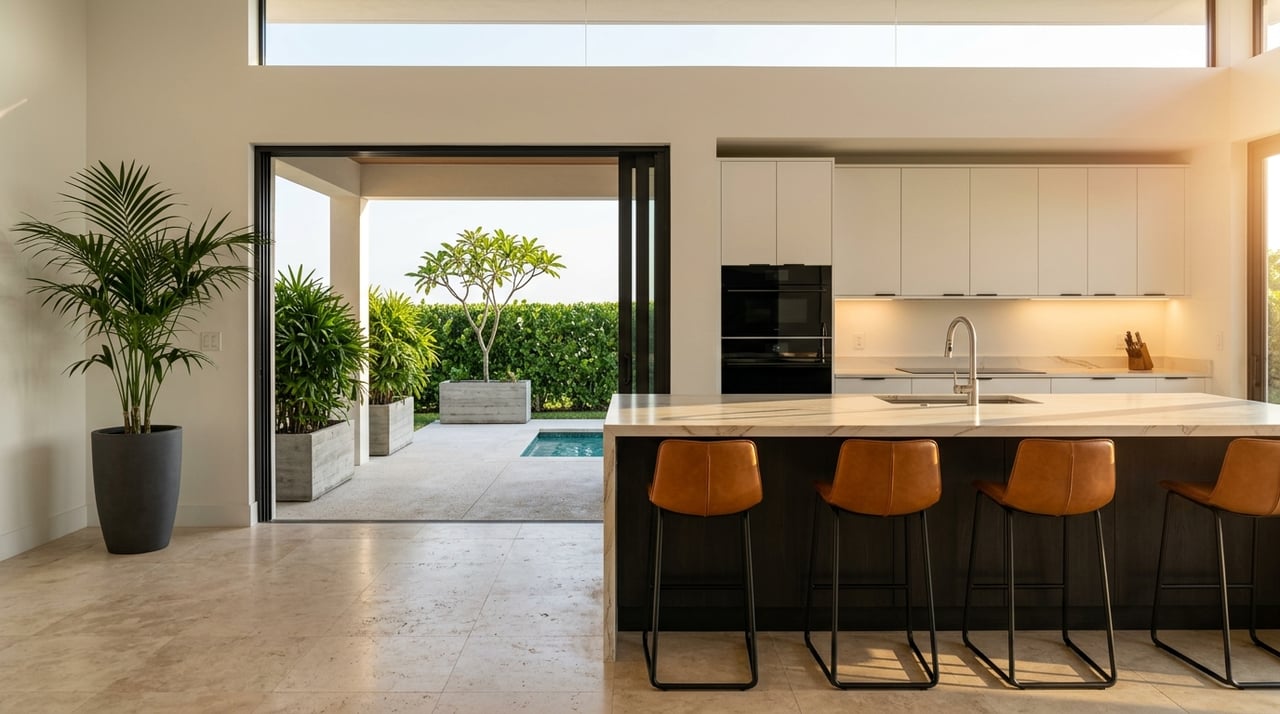
This is why orientation matters so much. A home with a framed Diamond Head view from the main living room and seamless indoor-outdoor flow may feel more valuable than a home with a technically similar outlook that is only visible from a secondary bedroom. In luxury real estate, the experience of the view often matters as much as the category of the view.
Privacy also carries weight. Buyers tend to pay more for views that feel protected and peaceful, especially when the home’s layout, landscaping, or setting creates a sense of retreat. In sales like Black Point, privacy features reinforced the value of the ocean outlook rather than acting as a separate perk.
Not all views are equal in how secure they feel over time. In Diamond Head, buyers are often looking for sightlines that appear broad, established, and less vulnerable to future visual change. That does not guarantee a private view will never shift, but it does mean that homes with a stronger sense of permanence often command more confidence.
The area’s special district regulations support this idea in a broad way by recognizing the importance of public views and visual character. That said, private sightlines can still be affected by neighboring development or site-specific conditions. For that reason, the strongest pricing tends to follow views that feel both impressive and difficult to interrupt.
For sellers, this is where careful positioning matters. If your property has a view that feels lasting because of topography, adjacency to open space, park outlooks, or a particularly wide corridor, that story should be presented clearly and accurately. For buyers, it is worth looking beyond the view itself and asking how likely that visual experience is to remain similar in the years ahead.
One of the biggest misconceptions in luxury real estate is the idea that a view adds a fixed percentage to value. In practice, appraisers are expected to account for all factors that affect value and to use comparable sales with similar physical and legal characteristics. View is also treated as a reportable appraisal characteristic, which reinforces that it must be analyzed through market evidence.
In plain terms, that means an appraiser should not apply a generic formula for a Diamond Head view. Instead, the premium should be supported by comparable sales that reflect similar view corridors, similar settings, and similar overall property characteristics. That is why two homes with “ocean views” may still receive very different value conclusions if one has a broad panoramic outlook and the other has a narrower or less private one.
This also explains why pricing precision matters so much in the local luxury market. The Honolulu Board of REALTORS® reported an April 2026 Oʻahu single-family median price of $1.15 million with 24 days on market. In the February 2026 Kapahulu-Diamond Head update, the single-family median was $1.454 million, with 99.4 percent of original list price received and 18 days on market.
That combination suggests an active but selective market. Well-positioned homes can move efficiently, but buyers are still making distinctions. In a submarket like Diamond Head, the quality of the view and the accuracy of the pricing strategy often go hand in hand.
If you are preparing to sell a Diamond Head luxury home, your view should be evaluated as part of the full property story, not as a shortcut to an asking price. A broad crater panorama, a green park-side outlook, or a layered ocean-and-sunset experience may each attract a different buyer response. The key is to understand where your home fits on the local value ladder.
Presentation matters too. In high-end homes, the value of a view is often strengthened by how the interior frames it. Thoughtful staging, furniture placement, lighting, and visual flow can help buyers understand how the outlook connects to daily living.
This is especially important in a market where buyers are paying for feeling as much as for features. A home that photographs beautifully, shows clearly, and communicates its sightlines well is better positioned to attract the right audience. That is where concierge-level preparation can make a measurable difference.
If you are buying in Diamond Head, it helps to think beyond labels like “ocean view” or “Diamond Head view.” Ask how wide the corridor is, where the best sightlines are located in the home, how private the setting feels, and whether the view is tied to a larger sense of openness. Those details often shape long-term satisfaction and resale strength.
You should also compare the view to the full property package. In some cases, a non-oceanfront home with a strong green or crater outlook, better layout, and more privacy may offer better overall value than a smaller oceanfront property with more limitations. The goal is not to chase one category blindly, but to understand which combination of view, livability, and scarcity best fits your priorities.
In Diamond Head, the best opportunities often reveal themselves when you look at the whole picture. A view can be powerful, but its true value comes from how it works with the home, the site, and the surrounding setting.
If you are weighing a purchase or preparing to position a luxury property in Diamond Head, working with a local advisor who understands both valuation and presentation can help you make sharper decisions. For tailored guidance on buying, selling, staging, design presentation, or a discreet luxury strategy, connect with Elise Lee.
Stay up to date on the latest real estate trends.
Elise brings a fresh, creative international perspective to her Luxury Real Estate, Concierge & Interior Design career. She chairs the Honolulu Board of Realtors® City Affairs Committee, is on the Board of Directors for the Hawaii Economic Association, an Officer in the Confrérie de la Chaîne des Rôtisseurs Hawaii Bailliage.