Understanding Gold Coast Honolulu Maintenance Fees
If you are looking at a Gold Coast condo, the monthly maintenance fee can feel confusing fast. One building may look relatively modest on paper, while another appears much higher, yet the second may include taxes, utilities, or added services that change the real cost of ownership. If you want to understand what those fees actually cover in Waikiki’s Gold Coast and how to compare buildings with confidence, this guide will walk you through it. Let’s dive in.
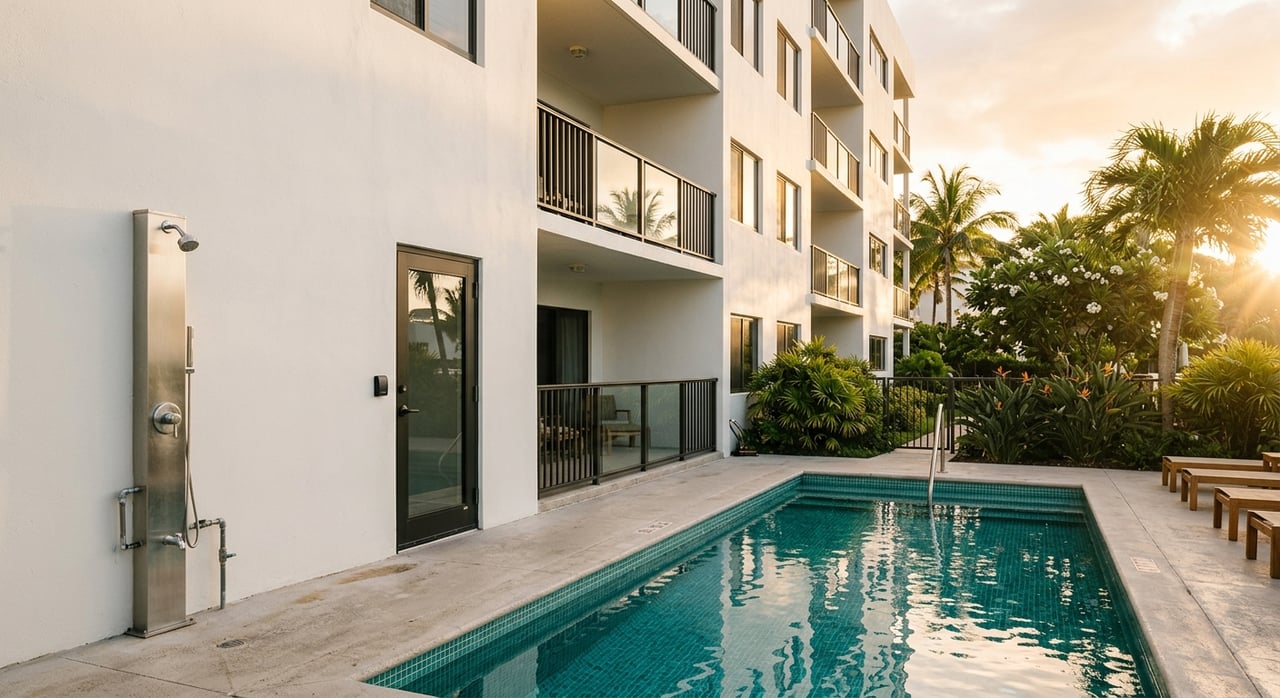
Gold Coast sits along the Diamond Head edge of Waikiki, with oceanfront buildings dating largely to the 1950s and 1960s along Kalakaua Avenue. In this stretch, buyers are often paying for shoreline frontage, direct access to the coast, proximity to Kapiolani Park, and a quieter residential setting rather than a long list of resort-style amenities.
That matters because maintenance fees in the Gold Coast often reflect a different ownership experience than what you might see in newer Honolulu towers. In many cases, the value is tied more to where you live than to how many shared extras the building offers.
In Hawaii condominiums, maintenance fees are the association’s common-expense assessments. Under state law, the board adopts an annual budget and assesses common expenses, which include operating costs plus reserve allocations for future capital needs.
Common elements often include spaces and systems such as lobbies, corridors, garbage rooms, parking areas, grounds, walkways, pools, gyms, roofs, and main plumbing or electrical systems. Even if you do not personally use every shared feature, you still pay your share of those common expenses.
Another important point is that maintenance fees generally rise over time. That does not always mean a building is being poorly managed. Sometimes it reflects the practical cost of operating and maintaining an older property, funding reserves responsibly, or preparing for major future repairs.
There is no single Gold Coast fee structure. Each building is governed by its own declaration, bylaws, and financial setup, so the same monthly number can mean very different things from one address to the next.
This is especially true because Gold Coast inventory includes fee simple condos, co-ops, and mixed-tenure buildings. In one property, the monthly charge may cover only a narrow list of common expenses. In another, it may bundle utilities, taxes, or other ownership costs that would otherwise be paid separately.
For that reason, the headline fee alone rarely tells the full story. What matters is your all-in carrying cost and what is included within it.
Many Gold Coast buildings were built decades ago and tend to offer a simpler amenity package. You may find practical features like community laundry, storage, resident management, security, or a pool with ocean access, but not the broad club-style amenities common in newer luxury towers.
That is part of the neighborhood’s appeal for many buyers. Ownership here is often location-first, with more emphasis on the waterfront setting, park frontage, walkability, and residential character than on expansive amenity decks.
By comparison, newer towers in areas like Ward Village often market a fuller amenity package. Current examples there include features such as sky decks, fitness centers, yoga rooms, pools, spas, cabanas, lawns, and event spaces. The contrast can be useful when you decide whether you value an iconic shoreline address or a more service- and amenity-rich lifestyle.
A few current building examples help illustrate how different Gold Coast ownership costs can look.
At 2987 Kalakaua, a 1953 building with a limited amenity set, one current listing shows a maintenance fee of $1,343. The listed amenities include community laundry, patio or deck space, and wall or fence features, while the fee covers water, hot water, and sewer.
Coral Strand, a 1961 co-op with 47 units, includes a pool, recreation area, resident manager, storage, and a keyed elevator. Its maintenance fee includes water, sewer, hot water, cable TV, co-op taxes, and electricity.
Diamond Head Ambassador C, a 1959 oceanfront co-op example, shows how monthly charges can include more than a standard HOA assessment. One current listing shows $2,553 in maintenance fees plus $747 in other monthly fees, with the listing noting that monthly maintenance covers property tax and utilities. Amenities there include an oceanfront saltwater pool with private ocean access, on-site property manager, community laundry, library, and secured storage, while parking is not included.
Colony Surf, a direct-beach mixed-tenure building, presents another variation. Its amenity list is relatively limited and includes a trash chute, storage, security guard, community laundry, and restaurant access within the property.
A higher monthly fee is not automatically a negative. In the Gold Coast, a larger fee may reflect that the building bundles items such as utilities or property taxes, especially in co-op structures, or that it is collecting more aggressively for reserves.
On the other hand, a lower fee is not always the better deal. If electricity, taxes, parking, special assessments, or major future repairs sit outside that number, your actual monthly ownership cost may be higher than it first appears.
This is why side-by-side comparison matters. A building with a lean amenity list and lower posted fee may still cost more over time than a building with a higher monthly charge that includes more expenses.
Reserve strength deserves close attention in the Gold Coast. Many of these buildings are older oceanfront properties, and large capital items like roofs, elevators, plumbing, and other major systems can be expensive to repair or replace.
Hawaii guidance notes that reserve funds are collected for major future expenses, and insufficient reserves can lead to special assessments, borrowing, or deferred maintenance. In practical terms, that means a fee increase may reflect a board trying to fund the building responsibly, not simply raising costs without reason.
For buyers, this is one of the most important parts of due diligence. An attractive monthly fee can lose its appeal quickly if the building is underfunded and likely to face large future assessments.
Before you compare Gold Coast buildings, ask for the records that show what you are really buying into. Hawaii law provides for access to association financial and other records needed for ownership and resale disclosures.
Focus on these core documents:
These materials help you evaluate not just the current fee, but also the building’s planning, maintenance priorities, and possible future costs.
When you review a Gold Coast condo, start by asking a simple question: What does this monthly number actually buy? That question is often more useful than asking whether the fee is high or low.
A practical comparison checklist can help:
If you value direct shoreline living and easy access to Kapiolani Park, a simpler building may be the right fit. If you want a long list of amenity spaces and service-oriented common areas, you may find that a newer Honolulu tower better matches your day-to-day expectations.
For many buyers, the Gold Coast is less about a resort checklist and more about a specific kind of daily life. The draw often comes from the oceanfront setting, the edge-of-park location, walkability, and the character of these long-established buildings.
That does not make maintenance fees less important. It simply means those fees should be viewed in context. In this part of Waikiki, value often lives in the setting itself, and the smartest buyers look beyond the headline number to understand the full ownership picture.
If you are weighing Gold Coast options, a careful review of fees, inclusions, reserves, and building structure can save you from costly surprises and help you choose a property that truly fits how you want to live.
If you would like a more tailored look at Gold Coast buildings, monthly carrying costs, and how specific properties compare, Elise Lee offers a polished, private, and highly informed approach to buying and selling along Honolulu’s most iconic coastline.
Stay up to date on the latest real estate trends.

Elise brings a fresh, creative international perspective to her Luxury Real Estate, Concierge & Interior Design career. She chairs the Honolulu Board of Realtors® City Affairs Committee, is on the Board of Directors for the Hawaii Economic Association, an Officer in the Confrérie de la Chaîne des Rôtisseurs Hawaii Bailliage.