Feng Shui in Kailua Beach Homes: What to Consider
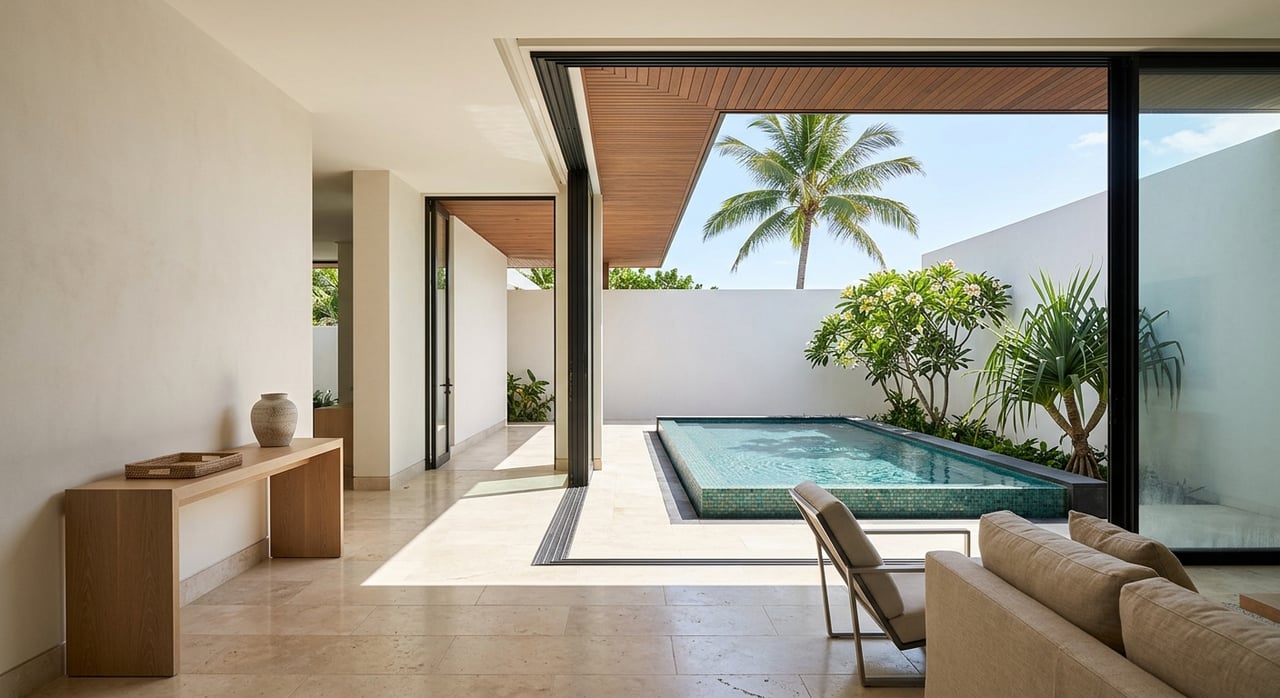
If you are drawn to feng shui for a Kailua beach home, you are probably looking for more than a pretty room. You want a home that feels calm, easy to move through, and in tune with the coast. In Kailua, that means balancing design with real-world conditions like trade winds, humidity, daylight, rain, and shoreline considerations. Let’s dive in.
Feng shui is often described as a traditional Chinese practice focused on harmony, balance, and the flow of energy through a space. For a modern beach home, it helps to think of it as a design lens rather than a strict set of rules. The goal is to create a home that feels grounded, welcoming, and comfortable for daily life.
That approach works especially well in Kailua. Honolulu identifies this part of Oʻahu as part of the Windward basin area, and NOAA notes that Hawaiʻi’s windward areas are shaped by persistent northeasterly trade winds, moderate humidity, and wetter conditions than leeward sides. In simple terms, Kailua homes respond strongly to breeze, moisture, daylight, and indoor-outdoor flow.
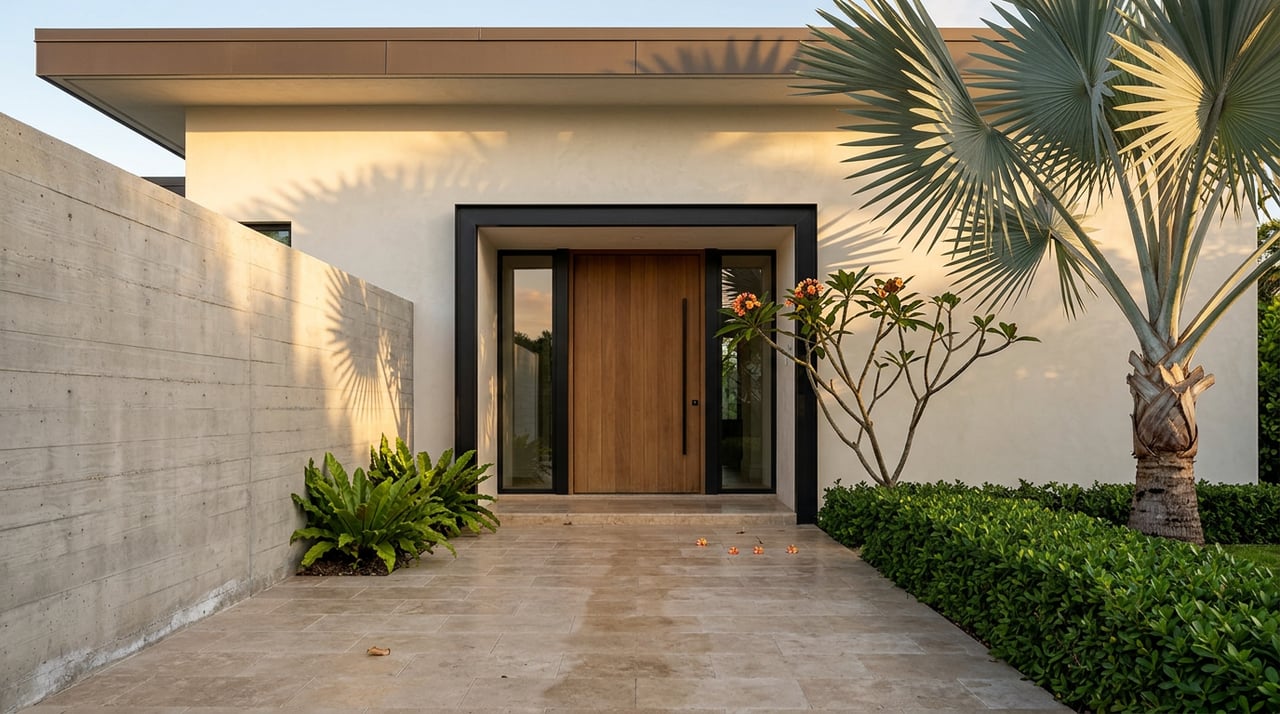
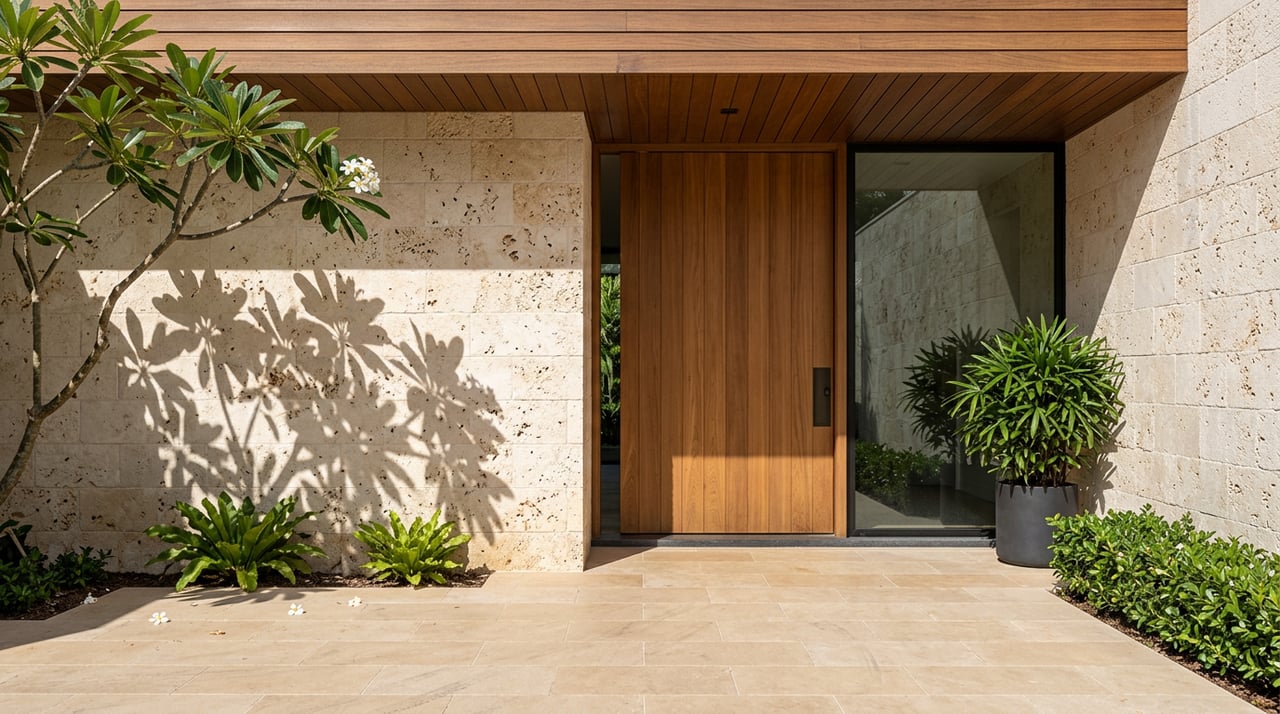
In feng shui, the entry is often treated as the main point where fresh energy and air enter the home. That makes the front door especially important in a Kailua property, where beach gear, shoes, bags, and wet items can pile up fast. A clear threshold helps the home feel lighter and easier to navigate.
You do not need an elaborate redesign to improve this area. A bench, a slim console, hooks, or a simple storage cabinet can create order without crowding the doorway. The goal is a clean arrival experience that feels practical and inviting.
Kailua’s lifestyle naturally brings sand, towels, slippers, and outdoor gear into the daily routine. A feng shui-friendly home makes space for those items instead of letting them spill into walkways. Thoughtful storage near the entrance can support both flow and function.
This is one of the clearest ways feng shui and coastal living overlap. When the entry works well, the rest of the house tends to feel calmer too.
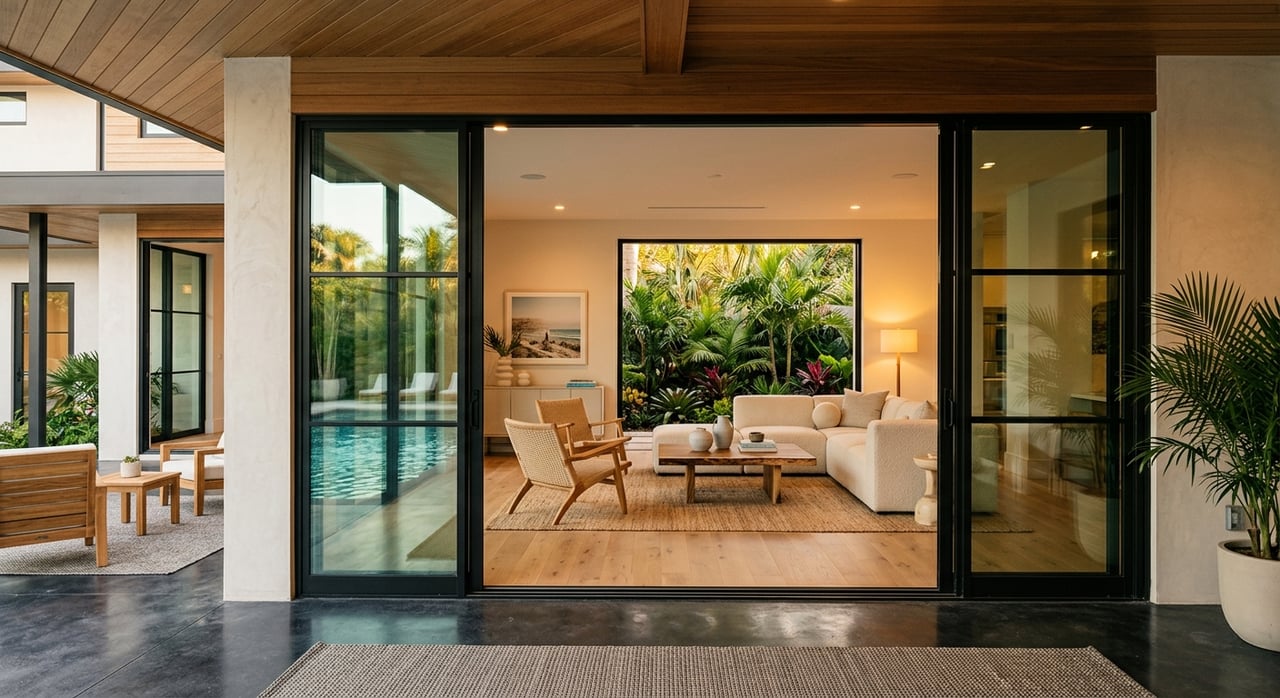
Many Kailua beach homes lean into open-plan living, large windows, and easy lanai access. That can feel beautiful and breezy, but it can also feel visually loose if every area blends together. Feng shui supports smooth circulation, not a space that feels scattered.
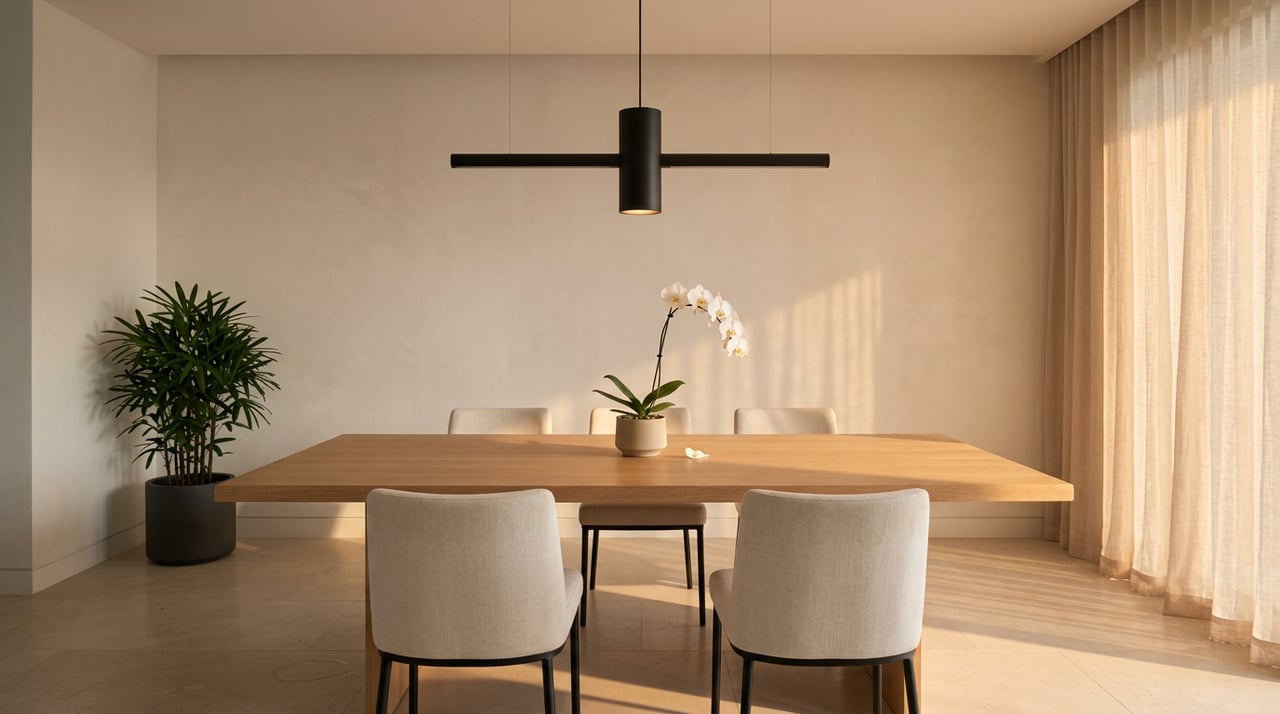
You can create balance by defining quiet zones within the larger plan. Rugs, lighting, furniture groupings, and low-profile dividers can help a living room, dining space, or reading corner feel intentional without blocking air or light. This keeps the home open while still giving each area a purpose.
Ocean or garden views are often a major feature in Kailua homes. Those views should feel like a focal point, but they do not need to dominate every design choice. A well-balanced room still needs comfortable seating, easy movement, and a sense of visual rest.
That means avoiding furniture layouts that make everything feel pushed toward the windows at the expense of everyday living. When the room supports conversation, rest, and simple circulation, the view becomes more enjoyable.
Rutgers’ residential biophilic design guidance highlights the value of natural ventilation, daylight, and transition spaces such as porches, patios, and decks. In Kailua, these ideas feel especially relevant. Trade winds and lanai living are part of what makes a home here feel connected to place.
Feng shui and biophilic design meet in that middle ground. You want fresh air and openness, but you also want the space to feel settled. Window treatments, screened transitions, and furniture placement can help guide airflow without making the room feel exposed or chaotic.
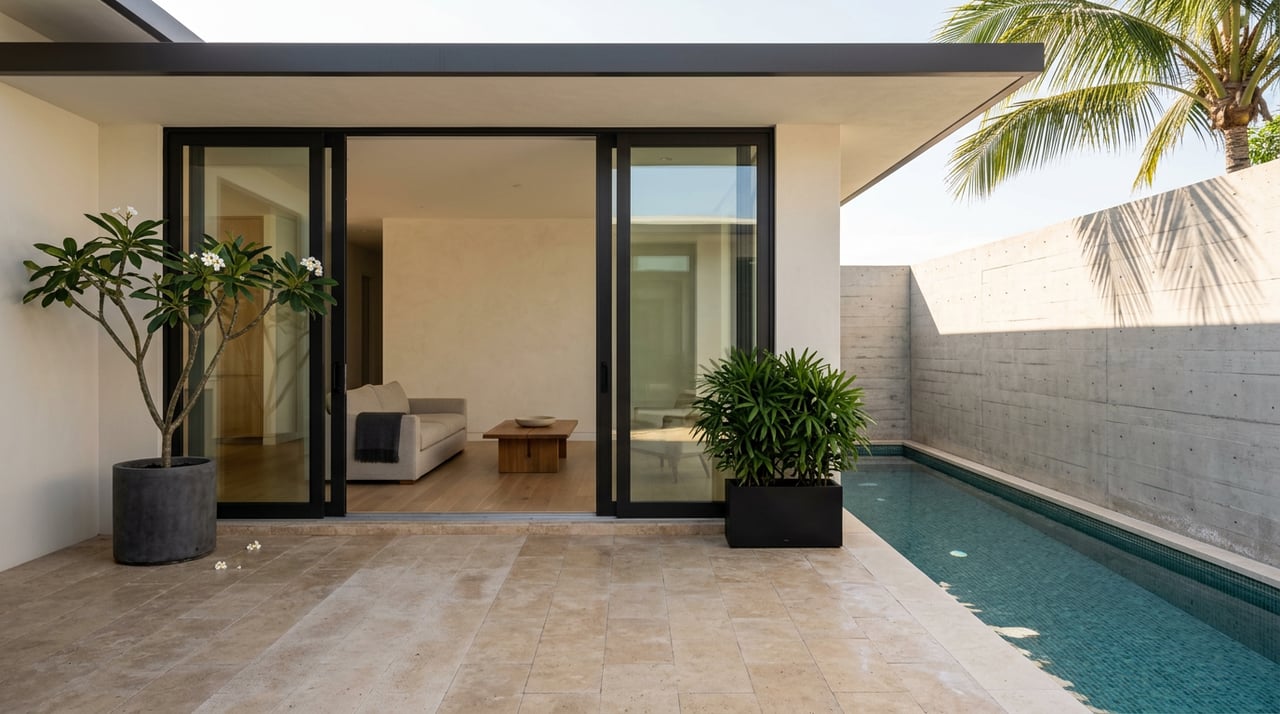
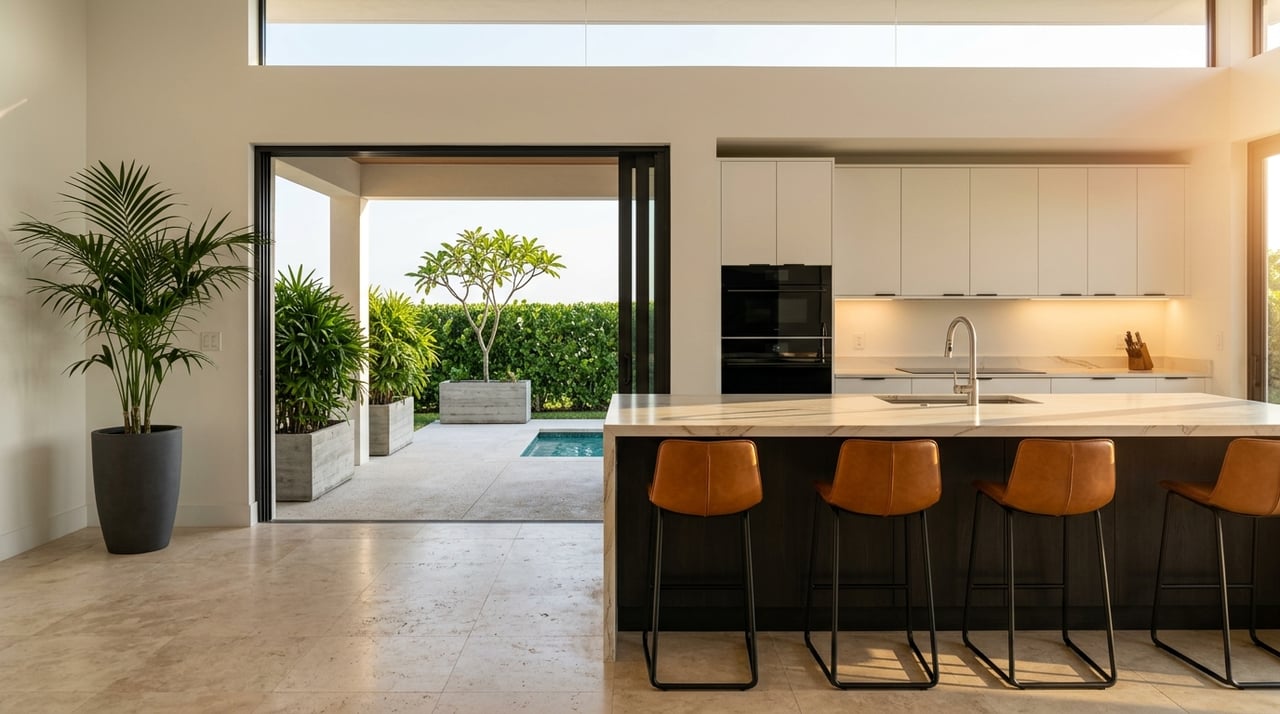
The best Kailua homes often move gently between interior rooms and lanais, patios, or garden edges. Those transitions can support a sense of ease when they are clean, uncluttered, and easy to use. Even a small covered outdoor area can feel like an extension of the home when the connection is intentional.
This does not mean every space should be fully open at all times. A balanced home often includes moments of retreat, especially in sleeping or resting areas.
Feng shui is commonly explained through five elements: wood, fire, earth, metal, and water. These elements are often associated with colors and materials, which can help guide a home’s palette. In Kailua, that creates an opportunity to move past a simple blue-and-white beach look.
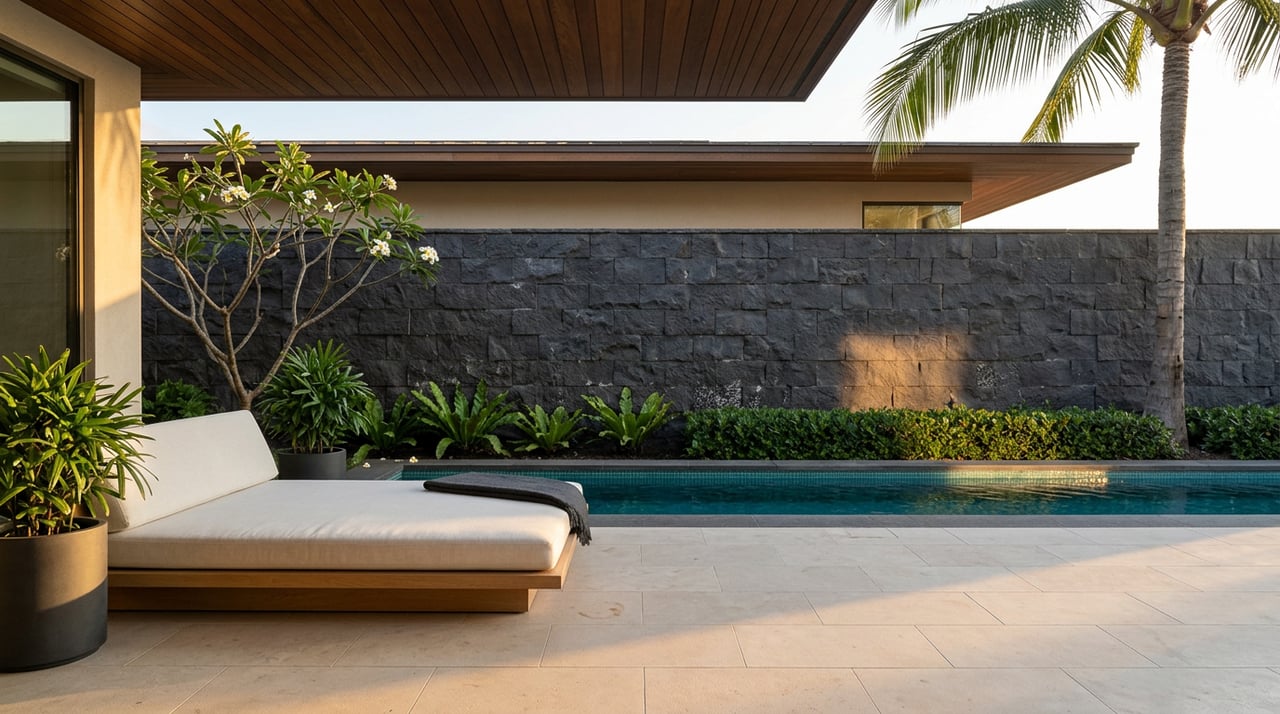
A more balanced approach may include natural wood tones, woven textures, layered whites, ceramic or stone surfaces, and a few grounding accents in deeper or warmer shades. This tends to feel more settled and enduring, especially in homes with strong sunlight and expansive views.
Many luxury coastal homes feature clean lines, large panes of glass, and open volumes. Those features can look elegant, but they often benefit from softer natural materials. Woven shades, linen upholstery, wood furniture, and textured rugs can make a space feel more human and calm.
That idea aligns with both feng shui and broader design guidance around balance, rhythm, and comfort. In a Kailua setting, natural materials also help the home feel connected to the outdoors in a measured way.
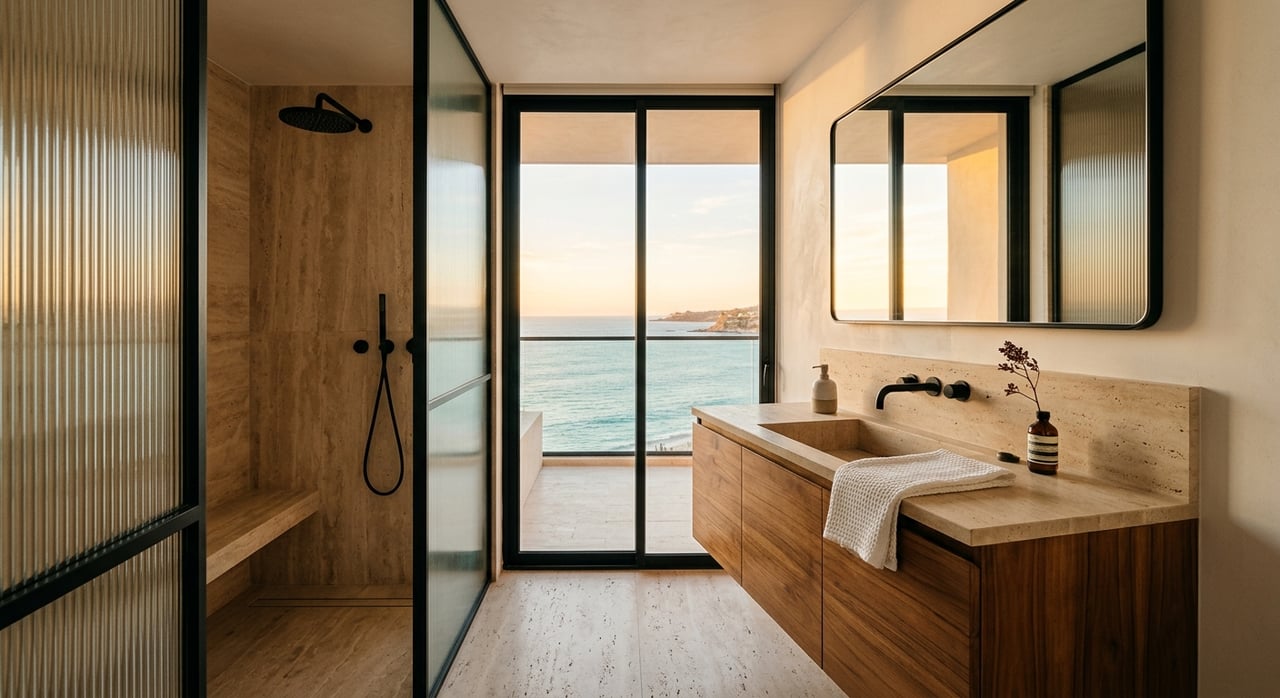
Bedrooms in beach homes can sometimes become too view-driven or too sparse. Feng shui encourages a more restful approach. In practical terms, that means keeping sleeping spaces simple, comfortable, and less visually busy than the main living areas.
If the bedroom has a strong ocean or garden outlook, let that remain part of the experience without making the room feel exposed or overfurnished. Softer color contrast, limited clutter, and clear walking paths can support a more peaceful atmosphere.
Storage matters more than many people expect. When closets overflow or corners become catch-all zones, the room can start to feel heavier and less restorative. A bedroom usually feels best when surfaces are relatively clear and the layout is easy to move through.
That does not require minimalism for its own sake. It simply means making space for rest.
For beach and near-beach homes, design decisions should sit alongside property-specific risk review. FEMA identifies its Flood Map Service Center as the official place to review flood hazard maps. Hawaiʻi also provides a Sea Level Rise Viewer that shows passive flooding, annual high wave flooding, coastal erosion, and the state’s sea level rise exposure area.
This matters in Kailua because shoreline studies describe the Kailua Beach sand-and-dune system as susceptible to erosion, with coastal flooding concerns and future adaptation needs as sea level rises. The City and County of Honolulu also began dune restoration work at Kailua Beach in 2024 after significant erosion in the area.
Hawaiʻi requires sea level rise risk disclosure in residential real estate transactions when a property lies in the exposure area. For buyers, that means due diligence should come before any design wishlist. For sellers, it means thoughtful presentation works best when paired with clear preparation and a full understanding of property conditions.
In other words, good coastal design is not just about beauty. It also respects the realities of shoreline living.
A feng shui perspective can help you look beyond finishes and staging. As you tour homes, pay attention to how the entry feels, whether the floor plan flows naturally, how the lanai connects to the interior, and whether the home feels calm or visually unsettled. Then pair those observations with practical review of flood maps, sea level rise tools, and disclosures.
That combination can help you choose a home that feels right both emotionally and functionally. In Kailua, that balance matters.
For sellers, feng shui-inspired preparation can support a more polished showing experience. A clear entry, balanced layout, restrained palette, and edited rooms often photograph better and feel more welcoming in person. In a coastal luxury market, those details can strengthen the home’s story.
This is especially true when the home already offers strong assets such as lanai living, natural light, and breezy indoor-outdoor flow. Presentation should help buyers feel those qualities right away.
A well-composed Kailua beach home does not need to follow rigid rules to benefit from feng shui. The strongest results usually come from thoughtful basics: a clear entry, defined living zones, balanced materials, and a design approach that respects Kailua’s windward climate and shoreline realities. If you want guidance on how to position, refine, or evaluate a coastal property through both a design and market lens, Elise Lee can help with a private consultation.
Stay up to date on the latest real estate trends.
Elise brings a fresh, creative international perspective to her Luxury Real Estate, Concierge & Interior Design career. She chairs the Honolulu Board of Realtors® City Affairs Committee, is on the Board of Directors for the Hawaii Economic Association, an Officer in the Confrérie de la Chaîne des Rôtisseurs Hawaii Bailliage.