Buying A North Shore Home For Occasional Rental Use
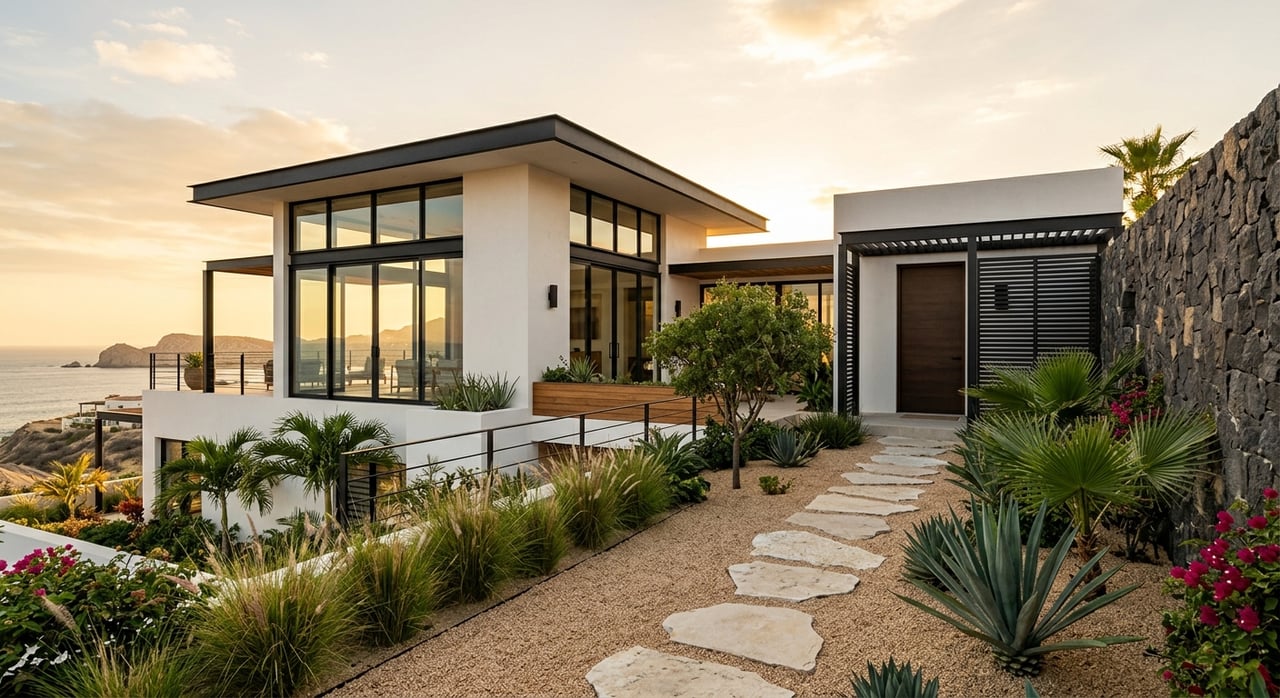
Dreaming of a North Shore home that you can enjoy part of the year and rent out occasionally the rest of the time? It is an appealing idea, but on Oʻahu’s North Shore, the answer is rarely as simple as finding a beautiful property near the beach. If you are considering this kind of purchase, you need to understand the legal rules, tax obligations, and practical ownership realities before you write an offer. Let’s dive in.
On the North Shore, occasional rental use is first a legal and compliance question. Honolulu land-use rules allow bed-and-breakfast homes and transient vacation units only in a limited set of locations, including the A-1 area near Turtle Bay Resort and certain properties with grandfathered nonconforming-use certificates.
Outside those narrow categories, unpermitted short-term rentals in residential zoning districts are prohibited. The city also states that permit issuance stopped in 1990, with only a small number of legacy permitted units still in place. That means many homes that look perfect for guest stays may not be eligible for short-term rental use at all.
Before you fall in love with a property, confirm whether the parcel is in a permitted area for the type of use you want. If it is not in a qualifying zone, or it does not carry valid nonconforming-use status, renting it for fewer than 30 consecutive days is unlawful under the current Land Use Ordinance.
This step matters because marketing language can create confusion. A home may be described as ideal for visitors, income potential, or flexible use, but the actual legal use depends on zoning, registration status, and any grandfathered rights tied to that parcel.
For North Shore buyers, this due diligence should happen early. It is much better to rule a property out before closing than to discover later that your rental plan does not work.
Honolulu’s rules make one point very clear. For unpermitted units, it is unlawful to rent, offer, or advertise the property for fewer than 30 consecutive days.
That changes the way you should think about “occasional rental use.” If your plan involves short guest stays, weekend bookings, or holiday turnover, the property must fit one of the city’s allowed categories. If it does not, your strategy may need to shift toward longer rental periods instead.
Even if a property appears eligible, there are still operating rules to meet. Current city ordinance materials require registration, maximum occupancy limits, off-street parking, house rules, an informational binder, and inspection access.
The city also requires booking platforms to register and provide the property’s registration or nonconforming-use certificate number. Penalties for unpermitted short-term rentals can reach $10,000 per day, which is why compliance should never be treated as a small detail.
A bed-and-breakfast setup has its own entry requirements. Initial registration requires a valid Hawaii General Excise Tax and Transient Accommodations Tax license, evidence of a real property tax home exemption, and at least a 50 percent ownership interest.
Renewal is annual and also requires tax clearances, insurance, and HOA or condominium approval where applicable. In other words, the operational side of the home matters just as much as the location.
In Hawaii, rental income from a house, second home, vacation home, or condominium is treated as taxable business activity. Rentals of less than 180 consecutive days are transient accommodations and are subject to both General Excise Tax and Transient Accommodations Tax.
Longer rentals are still subject to General Excise Tax, but not TAT. The state allows owners to register, file, and pay through Hawaii Tax Online, which makes tax setup part of your pre-purchase planning rather than something to sort out later.
Even if you hire a property manager or third-party rent collector, the property owner remains responsible under Hawaii tax law. The Department of Taxation also requires third-party rent collectors to file specific disclosures.
This is important if you are buying from the mainland or overseas and expect someone else to handle the day-to-day details. Delegating operations may help with logistics, but it does not remove your compliance responsibilities.
Hawaii also requires rental advertisements to display the TAT license number. The Department of Taxation warns that failing to include it can result in monetary penalties.
For buyers, this means your marketing plan is part of your ownership plan. If occasional rental use is central to the purchase, the tax and advertising rules should be modeled from day one.
One reason this topic matters so much on the North Shore is the broader planning context. North Shore planning documents describe visitor accommodations as limited, with Turtle Bay Resort and a backpacker hostel noted as the main existing overnight options.
That history reflects a market that has been tightly constrained rather than broadly built around visitor lodging. If you are shopping with rental use in mind, it helps to understand that this is not an area where short-term accommodations are widely distributed across residential neighborhoods.
The North Shore lifestyle is a major draw. You may be picturing surf mornings, open lanais, beach gear storage, and a home that works beautifully for your own stays as well as occasional guests.
That vision can absolutely shape your search, but it should come after the legal review. On North Shore Oʻahu, the smartest buying strategy is to treat occasional rental use as a legal and operational question first, and a lifestyle question second.
If the property passes the legal test, some home features tend to support easier use in this setting:
These qualities fit the coastal environment and align with the city’s emphasis on parking and neighbor-impact controls. They also help create a home that feels functional whether you are using it yourself or hosting longer stays where permitted.
North Shore seasonality is real, especially around the ocean. Hawaii Ocean Safety notes that winter swells create high surf on the North Shore, while summer is generally calmer.
If you are buying for personal enjoyment plus occasional rental use, that seasonal rhythm may influence how you use the property. Winter often aligns with surf-focused visits, while calmer summer conditions may appeal to a different kind of beach stay.
A beautiful shoreline setting can come with real exposure. NOAA maintains a North Shore wave run-up forecast for shoreline inundation risk, and state and city agencies warned in 2024 about erosion impacts around Ke Nui Road.
For buyers, that means you should evaluate shoreline exposure, erosion, and insurance early in the process. A home’s view and proximity to the water may be part of its appeal, but the ownership equation also needs to account for long-term coastal conditions.
Major surf events are part of the North Shore identity, but they can also affect traffic and neighborhood activity. Honolulu’s Department of Parks and Recreation has published revised North Shore surf-event rules aimed at reducing impacts on surrounding communities.
If you plan to use the home personally during event periods or host guests where lawful, it helps to think through access, parking, and neighborhood pressure during busy times. This is less about avoiding the energy of the North Shore and more about buying with a clear understanding of how the area functions throughout the year.
If you are serious about buying a North Shore home for occasional rental use, keep your decision process simple and disciplined. Start with what is legally possible, then evaluate what is operationally realistic, and only then compare design, view, and lifestyle factors.
A practical framework looks like this:
That approach helps protect both your investment and your peace of mind.
Buying on the North Shore is often emotional because the setting is so memorable. But when occasional rental use is part of the plan, the best purchase is the one that works not only beautifully, but lawfully and sustainably too.
If you want a thoughtful, high-touch approach to evaluating North Shore opportunities, Elise Lee can help you navigate the lifestyle, property, and compliance considerations with clarity and discretion.
Stay up to date on the latest real estate trends.

Elise brings a fresh, creative international perspective to her Luxury Real Estate, Concierge & Interior Design career. She chairs the Honolulu Board of Realtors® City Affairs Committee, is on the Board of Directors for the Hawaii Economic Association, an Officer in the Confrérie de la Chaîne des Rôtisseurs Hawaii Bailliage.