Do Kailua Townhomes and Condos Fit Your Lifestyle?
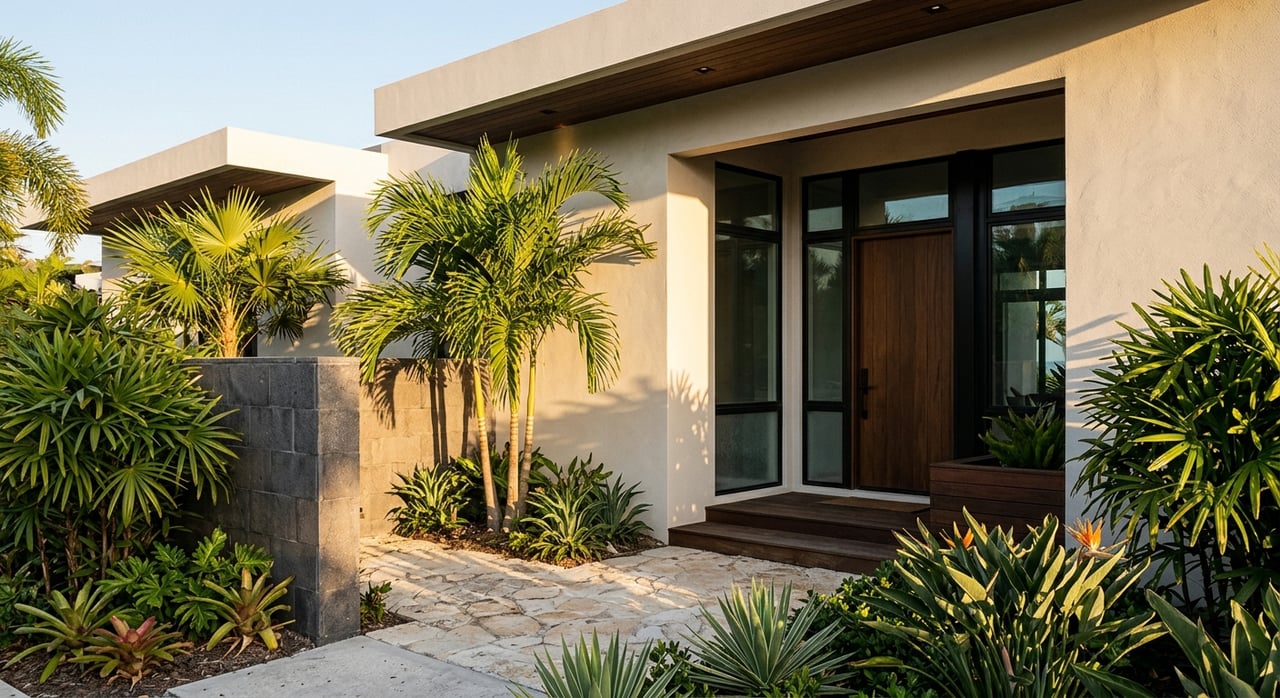
If you love the idea of living close to the beach but do not love the idea of constant exterior upkeep, a Kailua condo or townhome may be worth a closer look. In a place where location, monthly costs, and ease of ownership all shape day-to-day life, the right property type can make a real difference. Whether you are downsizing, buying a second home, or looking for a simpler home base on Oʻahu’s windward side, this guide will help you weigh the lifestyle fit. Let’s dive in.
Kailua offers a distinct mix of beach access, daily convenience, and high housing costs. According to the U.S. Census QuickFacts for Kailua, the community had 40,514 residents in 2020, a 72.3% owner-occupied housing rate, a median owner-occupied home value of $1,353,700, and a mean travel time to work of 29.1 minutes.
Those numbers matter because they point to a practical question many buyers ask: how much home do you want to maintain, and how easily does it support your routine? In Kailua, condos and townhomes can offer a way to stay close to the lifestyle you want while reducing some of the responsibilities that often come with a larger detached property.
Kailua is also built around outdoor living. Hawaii Ocean Safety lists Kailua Beach as a lifeguarded beach, and the City notes that Kailua Beach Park is a heavily used shoreline with more than 1,700 visitors per day based on a Sea Grant study. If beach access is part of your weekly rhythm, where and how you live can shape how easy that feels.
For this conversation, attached homes include both condos and townhomes. Fannie Mae explains that condos can include high-rise, midrise, garden-style, or multistory townhome-style properties, while townhomes may share walls or sometimes be detached structures within an association.
The main lifestyle shift is shared responsibility. Instead of handling every exterior item yourself, you typically share ownership of common areas and pay monthly dues to help cover maintenance and operations.
That setup can be appealing if you want less day-to-day property work. It can also be a change if you are used to having full control over the exterior, landscaping, or how shared spaces are managed.
For many buyers, this is the clearest benefit. Condo fees commonly help cover exterior repairs and maintenance for common areas, and may also include water, sewer, trash service, amenity upkeep, and sometimes insurance or reserves, according to Fannie Mae’s condo ownership guide.
In practical terms, that can mean less time spent managing a yard, exterior wear, or building-wide upkeep. If you would rather spend your free time at the beach, traveling, or enjoying Kailua Town, attached living may feel more aligned with your lifestyle.
If you are a second-home buyer or travel often, simplicity matters. A condo or townhome can offer a more streamlined ownership experience than a larger single-family property, especially when exterior maintenance is handled through the association.
That does not remove your responsibilities as an owner, but it can reduce the amount of hands-on care needed when you are away. For many buyers, that convenience is a major reason attached homes stay on the shortlist.
Location is a big part of the value. The City’s Complete Streets Design Manual identifies Kailua Road as a Main Street and commercial section of a town center, which helps explain why some buyers like living near shops, dining, and everyday errands.
If you want a home that supports walkable or short-drive routines, a condo or townhome near Kailua Town may fit well. That can be especially useful if you are balancing work, travel, and daily convenience.
Attached living often means shared walls, common areas, and closer proximity to neighbors. If privacy is one of your top priorities, a detached home may still be the better fit.
This is not necessarily a drawback for every buyer. But it is important to be honest about how much separation you want in your day-to-day environment.
Association rules are a major part of condo and townhome ownership. Fannie Mae notes that HOAs maintain common areas, set community standards, and enforce CC&Rs or bylaws that can govern exterior changes, landscaping, and similar improvements.
If you prefer freedom to make visible changes without approvals, those rules may feel restrictive. If you value consistency and shared upkeep, they may feel reassuring.
This issue deserves extra attention in Kailua because beach living often comes with gear. Boards, bikes, kayaks, and other bulky items are part of everyday life for many owners, so storage and parking details should be reviewed carefully before you buy.
This is especially relevant in areas with high visitor traffic. The City’s Lanikai Transportation Management Plan states that Lanikai Beach has no public parking lots and no restrooms, showers, or lifeguards on that half-mile stretch, and that the Lanikai Pillbox trail also has no parking or nearby support infrastructure.
If you want to live near the beach corridor, think beyond the unit itself. Ask whether your building or community setup works for your car, your guests, and the gear you actually use.
One of the most important parts of attached-home ownership is budgeting accurately. The Consumer Financial Protection Bureau notes that HOA or condo dues are usually paid directly to the association and are not part of your mortgage payment.
That means your monthly housing cost is not just principal, interest, taxes, and insurance. You also need to account for association dues, which can vary by property and can increase over time.
There is also the possibility of special assessments. Fannie Mae’s HOA guidance explains that special assessments may be used for major one-time expenses or unforeseen repairs.
Insurance is another area where buyers should slow down and ask questions. The association may carry master insurance for common areas, but that does not mean all of your needs are covered.
The CFPB explains that condo association fees may include master insurance for common areas, while owners still need their own policy for the unit. Fannie Mae also notes that the association may not cover all of a homeowner’s insurance needs.
In other words, do not assume the HOA fee tells the full story. You want to understand exactly what the association covers and what you will need to insure yourself.
Attached homes in Kailua often make strong sense for a few lifestyle groups.
That said, attached living is not ideal for everyone. If you want maximum privacy, multiple vehicles, extensive storage, or greater freedom to modify the exterior, a detached home may better match your priorities.
A beautiful unit and a strong location are only part of the picture. Before moving forward on any Kailua condo or townhome, take time to review the association details closely.
Fannie Mae’s condo lending research highlights HOA financial instability, deferred maintenance, and inadequate insurance as key risk areas. That makes due diligence especially important.
Use this checklist as a starting point:
These details can shape your monthly costs, your flexibility, and your long-term comfort with the property. A home may look simple on the surface, but the association documents often tell the fuller story.
In Kailua, your property choice is closely tied to how you want to live. Beach access, commute time, convenience, maintenance, and public-use patterns all influence whether a condo, townhome, or detached home feels right.
Kailua’s shoreline is also an active, changing environment. The City’s 2024 dune restoration update for Kailua Beach notes that consistent erosion has narrowed the beach over past decades. That is a helpful reminder that coastal living here is deeply appealing, but it also comes with real environmental and public-access considerations.
If your goal is to enjoy more of Kailua and maintain less of your property, a condo or townhome may be the right fit. If your priority is privacy, storage, and flexibility, you may be happier exploring detached options instead.
The best choice comes down to how you actually live, not just what looks good on paper. If you want guidance tailored to your goals in Kailua and across Oʻahu, Elise Lee offers a polished, personalized approach to buying and selling with local insight and concierge-level care.
Stay up to date on the latest real estate trends.

Elise brings a fresh, creative international perspective to her Luxury Real Estate, Concierge & Interior Design career. She chairs the Honolulu Board of Realtors® City Affairs Committee, is on the Board of Directors for the Hawaii Economic Association, an Officer in the Confrérie de la Chaîne des Rôtisseurs Hawaii Bailliage.