If you have ever strolled beneath Diamond Head’s slopes and wondered why some roofs fold like origami and others open to the ocean with entire walls of glass, you are seeing the neighborhood’s story written in architecture. Here, design responds to climate, views, and terrain as much as to taste. In this guide, you will learn how to recognize the styles that define Diamond Head homes, why they look and live the way they do, and what to consider if you plan to buy or renovate. Let’s dive in.
Diamond Head setting and climate
Diamond Head, or Leʻahi, rises above Waikīkī as a volcanic tuff cone that shapes the neighborhood’s steep lots and sweeping views. Many homes sit on the crater’s lower slopes or along the narrow coastal terrace, which means siting, circulation, and privacy are all influenced by terrain and ocean exposure. For geographic context, explore the Diamond Head State Monument overview.
Honolulu’s tropical marine climate brings steady trade winds, warm temperatures, and periodic Kona storms. Local builders learned to work with the weather through broad eaves, deep lanais, and operable windows that welcome breezes and shield from sun and rain. You can see these principles echoed from early territorial cottages to today’s custom villas. The region’s climate patterns are summarized in a Waikīkī coastal study that highlights the value of shading and drainage in design decisions (State of Hawaiʻi environmental report).
Signature styles of Diamond Head homes
Hawaiian, Territorial and Plantation
These early 20th-century homes blend island craft with climate-smart design. The signature move is the double‑pitched hipped roof popularized by architect Charles W. Dickey, often called a “Dickey roof.” You will also notice deep covered lanais, wide overhangs, and operable windows that allow cross‑ventilation. For a concise history of the style and its roof vocabulary, see the SAH Archipedia essay on Hawaiʻi architecture.
Hallmarks you can spot:
- Double‑pitched Dickey roof with generous eaves
- Deep, furnished lanai as a daily living room
- Casement or jalousie windows for airflow
- Wood or board‑and‑batten siding and exposed beams
- Lava rock foundations or walls on select coastal sites
These features are well documented in Diamond Head property nominations, including a residence along Diamond Head Road that highlights lava rock walls and lanai-centered living (Historic Hawaiʻi Foundation property profile).
Buyer fit and practical notes:
- You want authentic island character, generous covered outdoor space, and a home that feels rooted in place.
- Expect historic-era systems that may need updating, such as roofing, electrical, termite treatment, and moisture mitigation. Preservation resources often encourage sensitive upgrades that retain passive cooling and original fenestration.
Mid‑century Hawaiian Modern and Tropical Modernism
After World War II, a regional modern movement took hold, led by architects like Vladimir Ossipoff. The design language married international modernism with Hawaiian climate wisdom. Central lanais became true living rooms, plans opened to capture breezes, and low profiles stepped into the slope to hug view lines. For a deeper dive, the book Hawaiian Modern offers rich context on Ossipoff’s influence on Honolulu homes (Hawaiian Modern, MIT Press Bookstore).
Hallmarks you can spot:
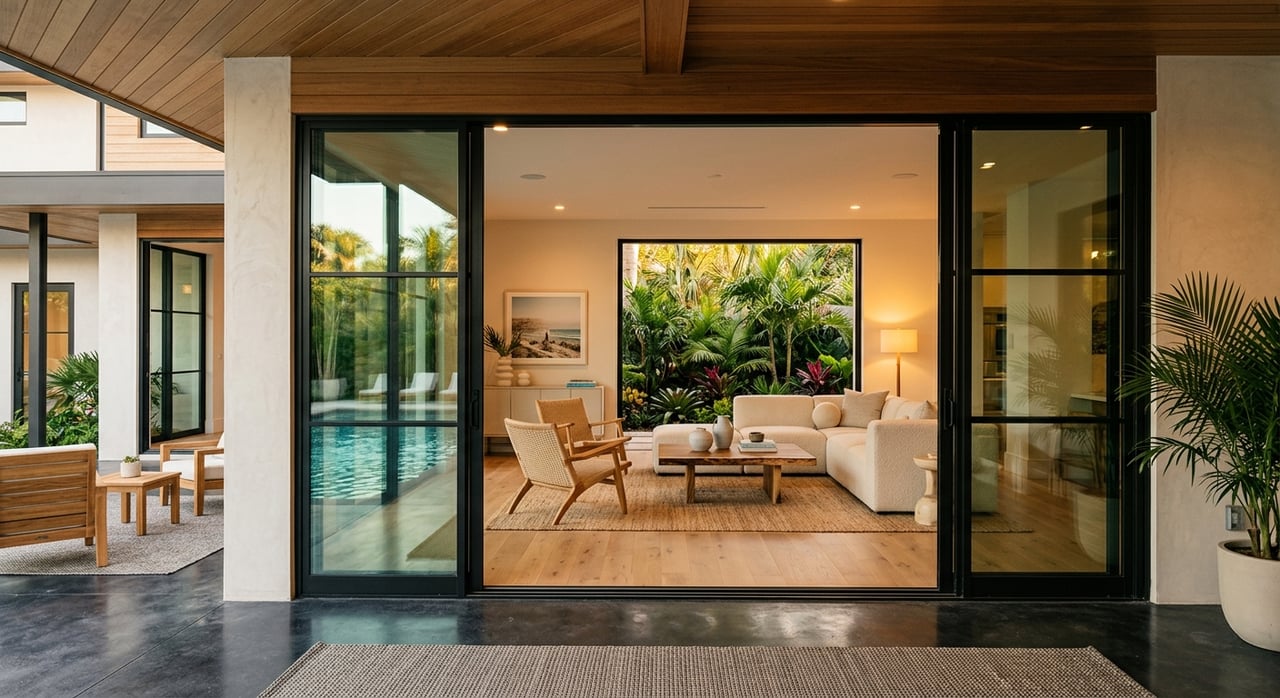
- Open pavilions with floor‑to‑ceiling sliders or screened walls
- Oversized roof planes that protect living areas while framing views
- Single‑story or low, layered massing integrated into the landscape
- Natural woods, stone fireplaces, and strong horizontal lines
Buyer fit and practical notes:
- You appreciate design pedigree, craftsmanship, and indoor‑outdoor flow that performs passively.
- Renovations should respect original structure, window systems, and cross‑ventilation strategies to preserve the home’s comfort and value.
Spanish, Mediterranean and Storybook variants
The 1920s and 1930s left a romantic imprint on Diamond Head. You will find Spanish‑Mission and Mediterranean villas with clay or concrete tile roofs, arched openings, and stucco exteriors, along with pockets of Tudor or Storybook cottages. These homes often occupy dramatic sites where silhouettes shine. For local history and inspiration, browse Honolulu Magazine’s coverage of historic homes.
Hallmarks you can spot:
- Red or concrete tile roofs and smooth stucco walls
- Arched windows, arcades, and formal courtyards or walled gardens
- Tudor variations with steep gables and half‑timber accents
Buyer fit and practical notes:
- You prefer formal detailing and grand rooflines. Interiors typically lean traditional, with opportunities to pair classic materials with updated systems.
Contemporary coastal and custom modern villas
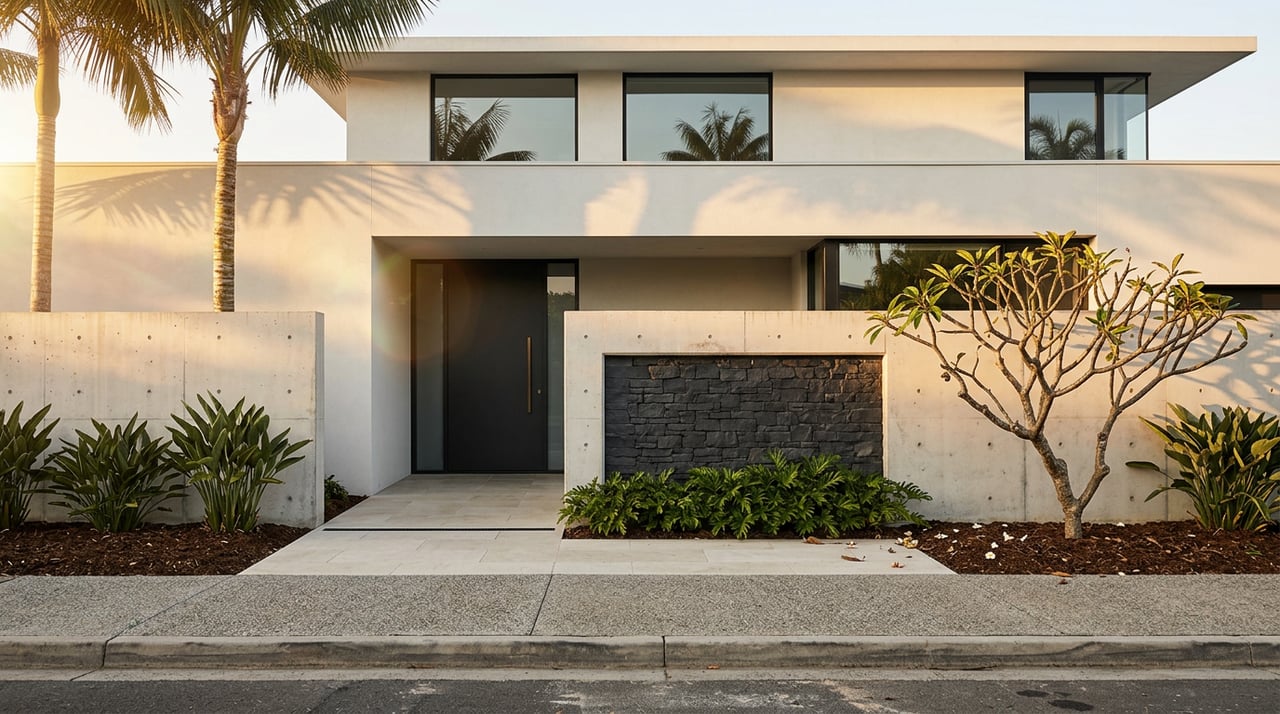
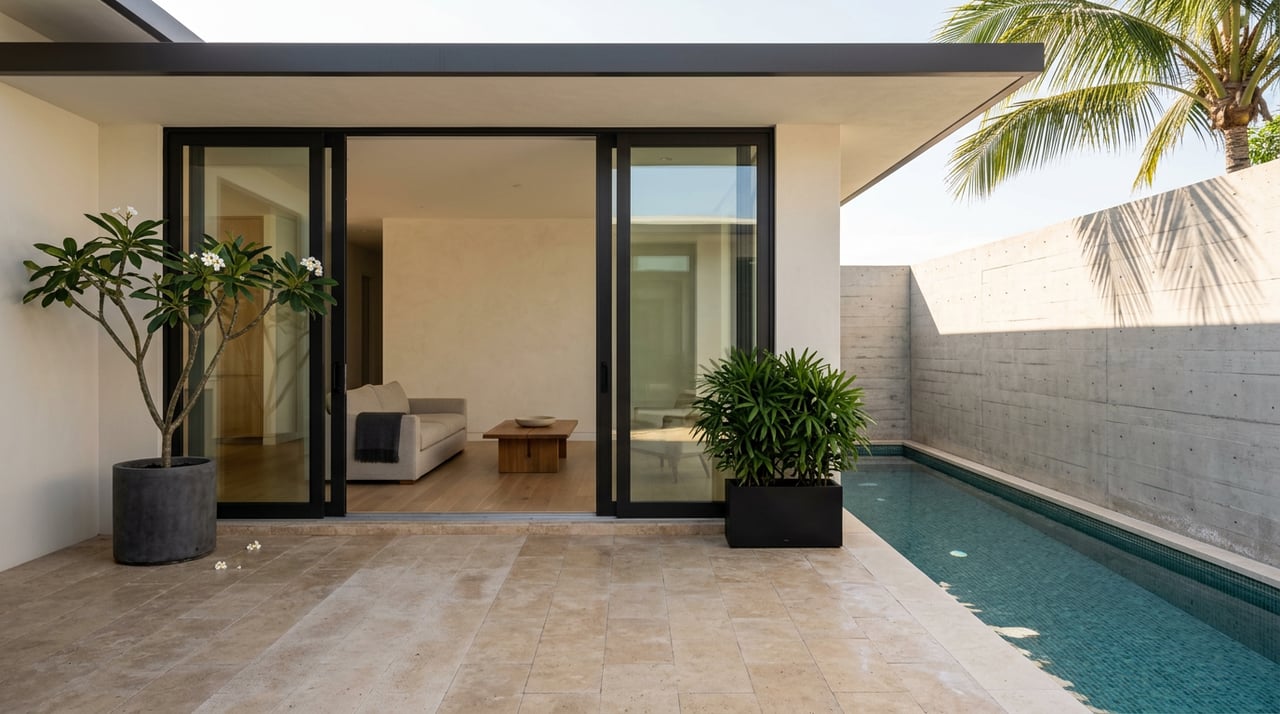
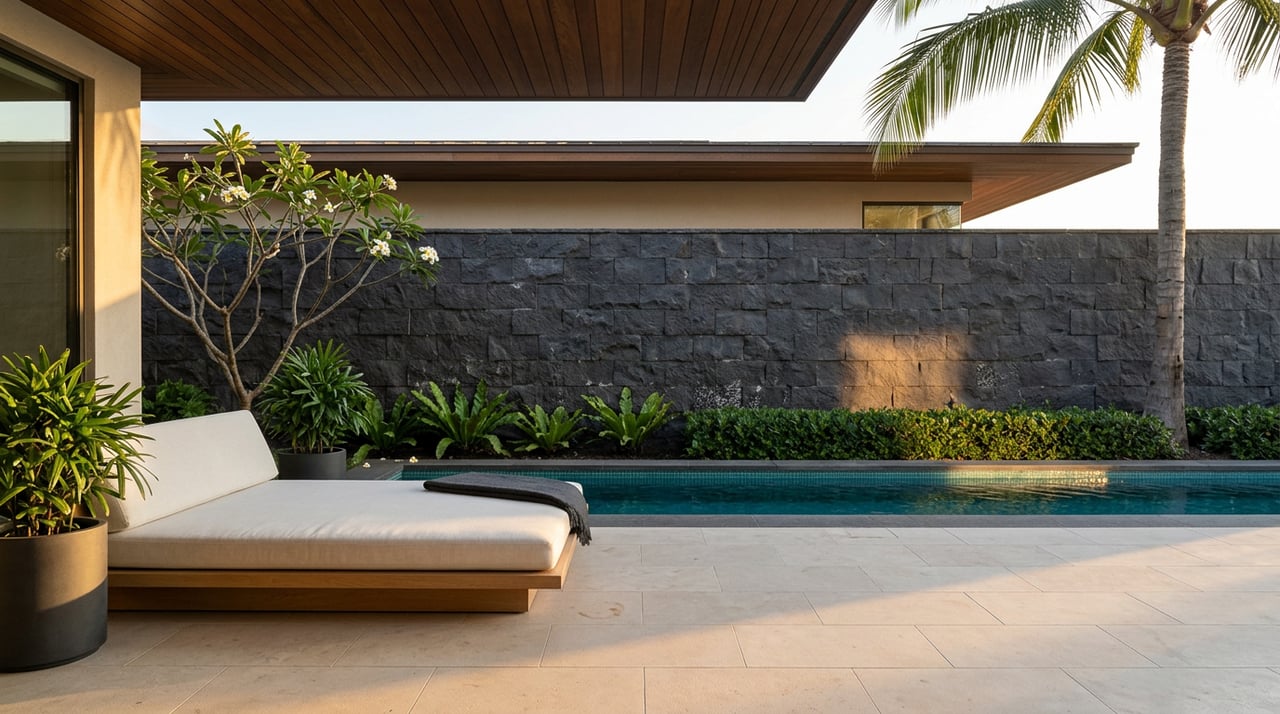
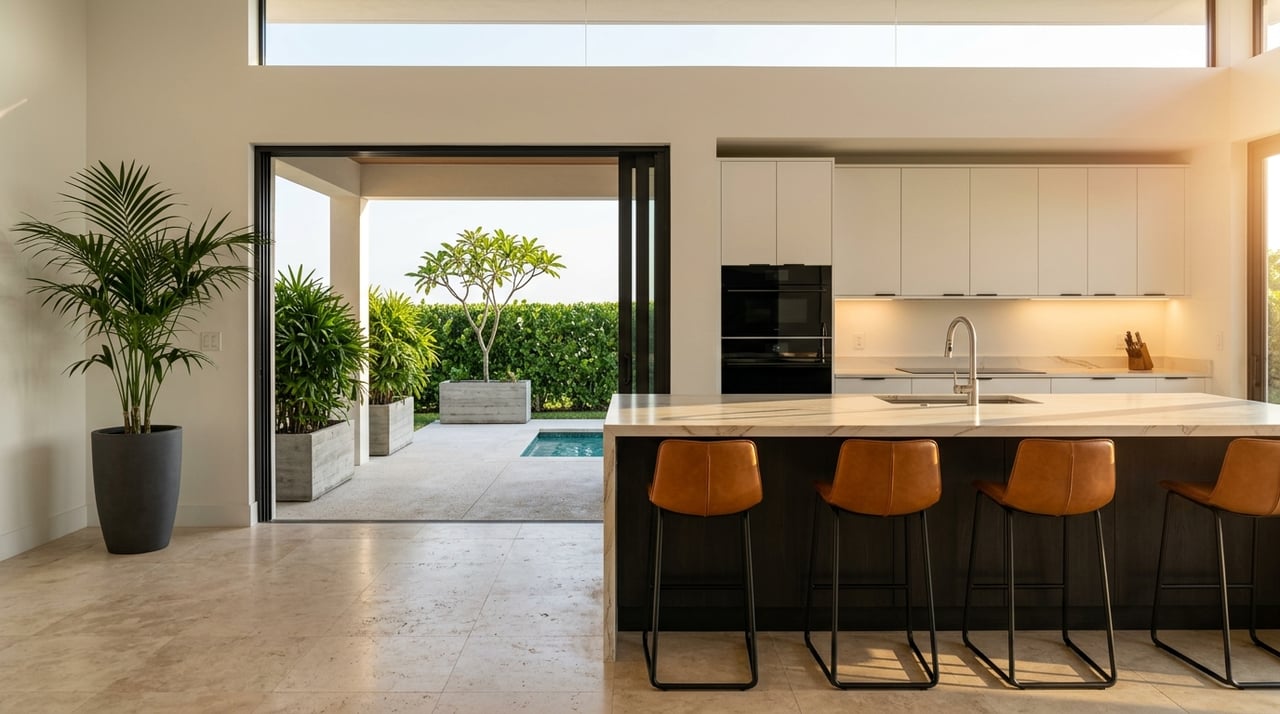
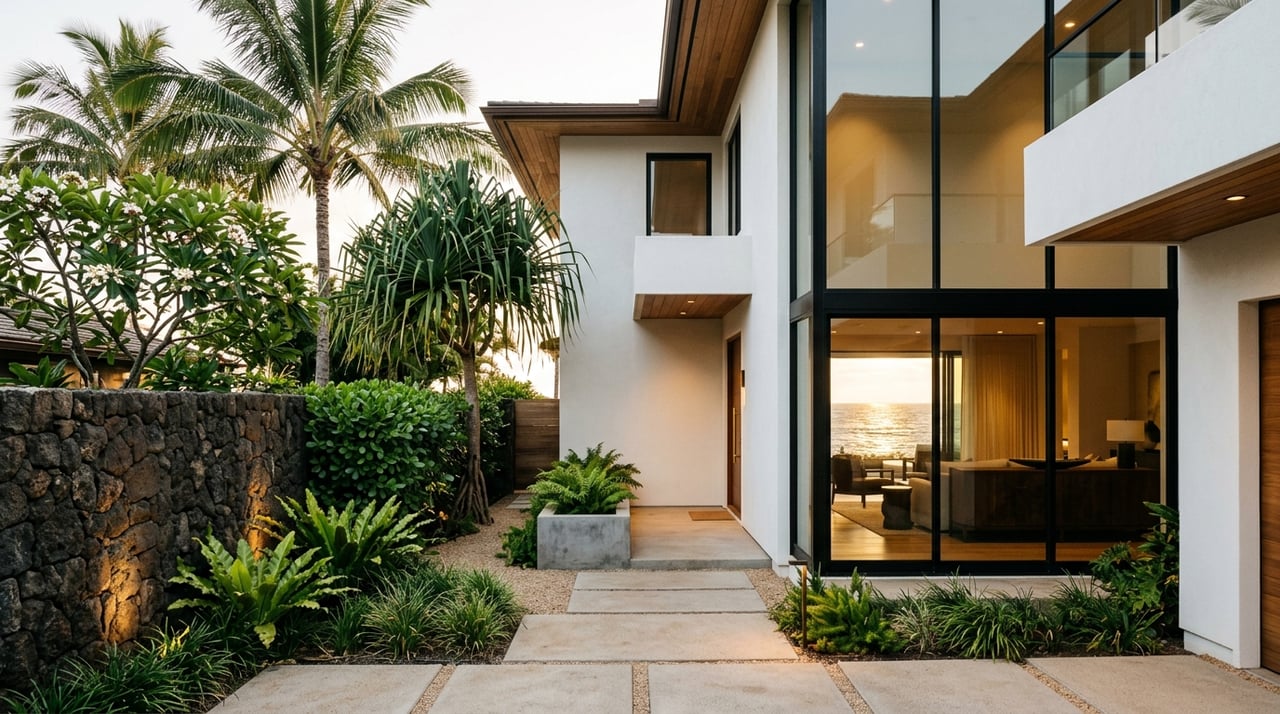
Newer infill and replacement homes showcase glassy living rooms, engineered shading, indoor‑outdoor kitchens, and resort‑style pool terraces. These designs maximize views while curating privacy through walls, gates, and layered landscaping. Many include rooftop decks and sophisticated mechanical systems for cooling and dehumidification.
Hallmarks you can spot:
- Full‑height glazing and minimalistic structure
- Terraced retaining walls and engineered foundations on slopes
- Pool‑lanai suites and chef’s kitchens that open to the outdoors
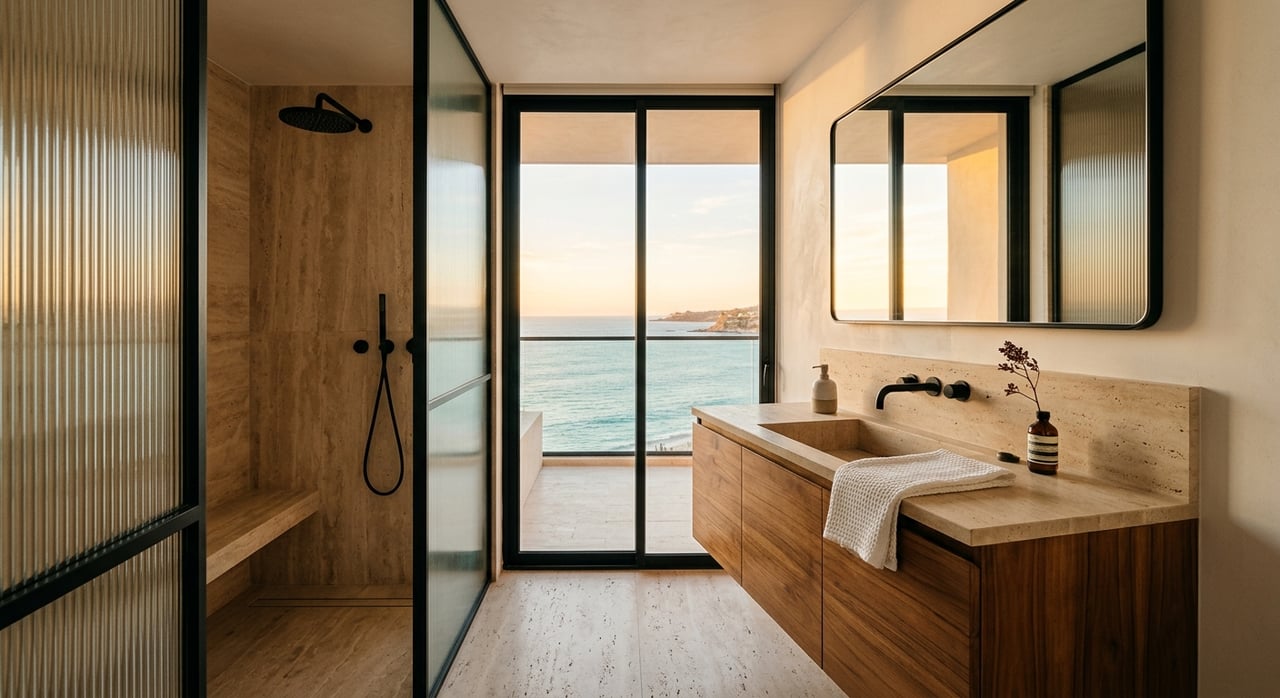
- Stone, tropical hardwoods, and marine‑grade metals
Buyer fit and practical notes:
- You want turnkey luxury and contemporary amenities. Plan for higher construction and operating budgets, including pool care and system maintenance.
Clustered and gated beachfront enclaves
Because large, flat oceanfront parcels are rare in Diamond Head, you will also see small gated clusters, CPRs, and PUDs that share driveways, landscaping, and beach access. Architecture within these enclaves ranges from Mediterranean to contemporary. Expect tighter lot lines balanced by coordinated privacy planting and common areas that concentrate ocean proximity.
How design maximizes ocean views and privacy
Designers in Diamond Head lean on a toolkit that turns climate and terrain into daily lifestyle benefits. When you tour, look for these devices and ask how they perform across seasons.
- The lanai as a real room. In Hawaiian and mid‑century homes, the lanai is often the heart of the plan, with continuous floor surfaces from interior to exterior and pocketing doors that dissolve the boundary. This long tradition is summarized in the SAH Archipedia overview of local architectural elements.
- Deep overhangs and Dickey roofs. Oversized eaves shade glass, keep rain off openings, and allow windows to operate during showers. The double‑pitched silhouette is an easy visual cue to spot early territorial influence.
- Operable glazing and louvers. Many homes rely on jalousies and sliding panels to catch trade‑wind breezes, a principle still celebrated in mid‑century sources like Hawaiian Modern.
- Terraced planning and lava rock walls. On steep or narrow parcels, retaining walls and moss rock elements create privacy from the street while orienting living spaces toward the ocean. Historic property records often highlight these features as part of Diamond Head’s character (Historic Hawaiʻi Foundation example).
- Pools, rooftop decks, and sun terraces. Contemporary coastal villas extend living outward with water features and decks on the makai side, turning view corridors into private resort zones.
For visual cues and historic context, nomination photography often captures these elements in situ, such as the lanai-to-living transitions and stonework noted in local entries (illustrative entry on The Clio).
Which style fits your lifestyle
- You love history and Hawaiiana. Consider a Hawaiian or territorial home with a Dickey roof and deep lanai. You will gain generous covered outdoor living and a home that breathes with the trades.
- You are design‑minded and value passive comfort. A mid‑century tropical modern home offers honest materials, indoor‑outdoor flow, and a lanai that functions as your main living room.
- You favor formal architecture and classic materials. A Mediterranean or Storybook residence delivers grand silhouettes, stucco warmth, and arched details that suit layered, traditional interiors.
- You want turnkey luxury and privacy. A contemporary coastal villa pairs glassy view rooms with engineered shading, pool‑lanai suites, and modern systems for convenience.
- You like ocean proximity with shared conveniences. A clustered or gated enclave can provide coordinated landscaping, common access, and simplified maintenance.
Buying and renovation know‑how in Diamond Head
Coastal setting and slope bring special considerations. A thoughtful plan upfront protects your investment and preserves what makes these homes so livable.
- Site and slope. Many parcels require engineered foundations, drainage, and retaining walls. Before assuming an addition is simple, review City and County permitting, Special Management Area rules, and shoreline setback guidelines. The University of Hawaiʻi Sea Grant site offers useful context on coastal management processes (SMA and permitting guide).
- Coastal hazards and disclosures. For oceanfront and near‑shore homes, check the State of Hawaiʻi Sea Level Rise Viewer. Properties within the 3.2‑foot exposure area carry specific disclosure requirements for sellers. Start with the Hawaiʻi Sea Level Rise Viewer to understand exposure.
- Marine‑climate maintenance. Salt air accelerates corrosion and can impact finishes, lanais, and window hardware. Older wood elements may need termite and moisture mitigation. Pools, ocean‑side landscaping, and any shoreline structures benefit from regular inspection. A local homeowner handbook outlines hazard readiness and maintenance basics for island conditions (homeowner hazard guide).
- Historic designation. Some Diamond Head properties are documented for architectural significance. If you are planning visible exterior changes, consult preservation resources to understand guidance and potential review processes. Property profiles and nominations are a good starting point (Historic Hawaiʻi Foundation property example).
- Insurance and operating costs. Coastal wind, flood, and high‑end mechanical systems can increase carrying costs. Engage insurers and contractors early to model budget and maintenance frequency.
A quick checklist for touring homes
- Trace the sun. Are lanais and eaves sized to shade key rooms during peak hours?
- Feel the air. Do windows, sliders, and louvers create reliable cross‑ventilation?
- Inspect exposure points. Check salt‑side metalwork, railings, and hardware for corrosion.
- Review drainage. On sloped lots, look for stable retaining walls and clear water paths.
- Confirm permit history. Ask about prior work, especially additions, pools, or decks.
- Map coastal risk. View the parcel in the Sea Level Rise Viewer and note any disclosure triggers.
- Respect the style. If you plan to renovate, consider how changes will preserve lanai function, overhangs, and original window patterns that make the home perform well.
Your next step
Choosing in Diamond Head is as much about style and siting as it is about square footage. If you want a home that lives effortlessly with the trades, frames ocean light, and fits your lifestyle, partner with an advisor who understands both design and place. For white‑glove buyer or seller representation, curated staging and interior design, Feng Shui consultation, and concierge transaction management, connect with Elise Lee for a private consultation tailored to your goals.
FAQs
What is a Dickey roof and why does it matter in Diamond Head?
- A Dickey roof is a double‑pitched hipped roof with wide eaves that shade walls and let windows operate during rain; it is a hallmark of early Hawaiian and territorial homes documented in the SAH Archipedia essay.
How does the lanai function in Hawaiian and modern homes?
- The lanai is a covered outdoor living room that often acts as the center of daily life, with continuous flooring and large openings that blur indoors and outdoors while taking advantage of trade‑wind cooling.
Are Diamond Head oceanfront homes affected by sea level rise rules?
- Properties within Hawaiʻi’s 3.2‑foot Sea Level Rise Exposure Area trigger specific seller disclosures; review your address in the Hawaiʻi Sea Level Rise Viewer early in the process.
What should I know before renovating a historic Diamond Head home?
- Confirm whether the property has historic significance and consult preservation resources; exterior changes should respect character elements like lanais, overhangs, and original window patterns, as seen in Historic Hawaiʻi Foundation profiles.
What maintenance issues are common near the ocean in Diamond Head?
- Expect accelerated corrosion of metal, wear on window hardware, and the need for regular sealing of wood surfaces; plan for pool and landscape care suited to salt air, guided by a local homeowner hazard handbook.
How do clustered beachfront enclaves and CPRs work in this area?
- These small, often gated developments share access drives, coordinated landscaping, and proximity to the ocean; lots can be smaller than stand‑alone estates, with architecture ranging from Mediterranean to contemporary depending on the community.