Understanding the Hawaii Escrow Process in Kailua
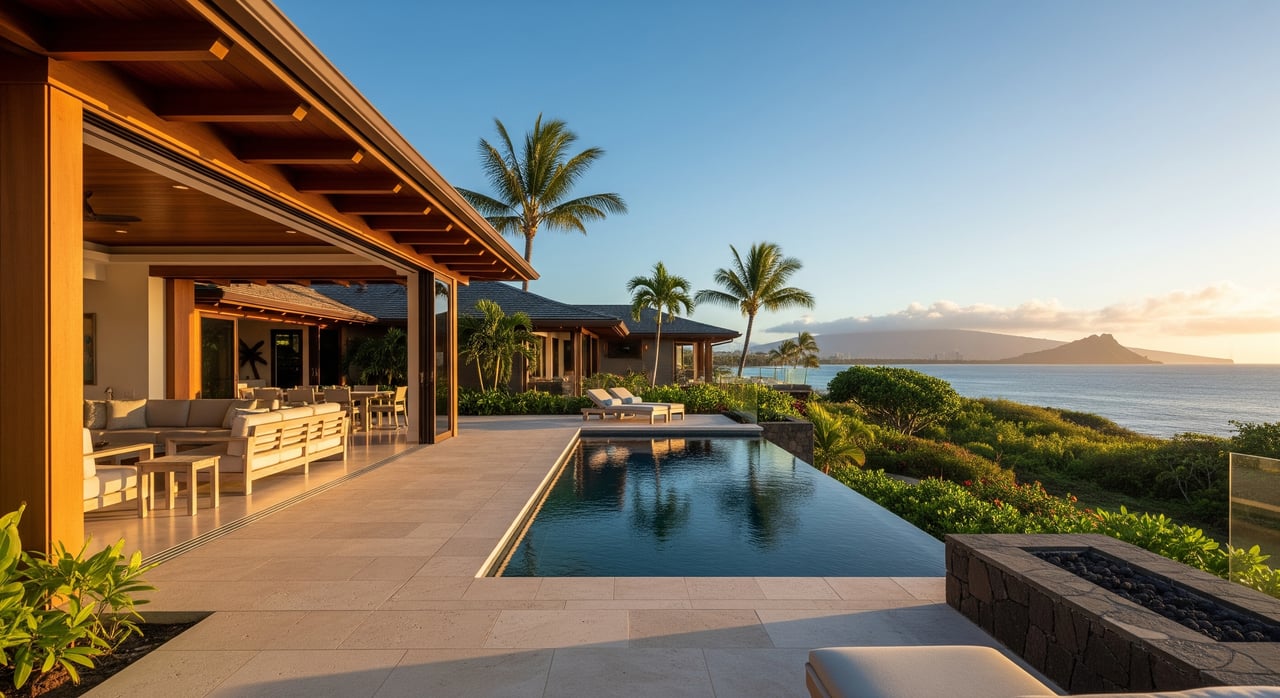
Buying in Kailua and wondering what really happens after your offer gets accepted? You are not alone. Escrow can feel like a black box, especially if you are buying from the mainland or overseas. In this guide, you will learn how escrow works in Hawaii, what to expect in Kailua, and how to move from offer to keys with confidence. Let’s dive in.
Escrow is the neutral process that carries your purchase from an accepted offer to recording and possession. A licensed escrow or title company holds your deposit, coordinates documents, pays off required items, and manages recording. The goal is simple: clear title, correct funds, and a smooth closing.
Hawaii uses two recording systems. Your escrow team will confirm whether your property records in the Bureau of Conveyances or the Land Court. The procedures are slightly different, and your closing timeline can reflect those steps.
Once your offer is signed by both parties, you have a binding contract. You deliver earnest money to the escrow holder according to the contract instructions. Escrow opens the file, confirms receipt, and shares contact details.
Escrow orders a preliminary title report and requests any seller mortgage payoffs. You will receive your file number and the team’s contact info so you can track milestones with ease.
Most contracts allow about 7 to 14 days, but all dates are negotiable. You schedule a general home inspection and any specialty inspections that make sense for coastal Kailua homes, such as termite or roof inspections. You review seller disclosures, HOA or condo documents, and the title commitment. If leasehold applies, you review the ground lease terms, including remaining years and rent adjustments.
By each deadline, you either remove contingencies, request repairs or credits, or cancel as your contract allows. If issues arise that cannot be resolved, you may be able to cancel and request return of your deposit according to the contract.
If you are financing, the lender orders the appraisal. Underwriting reviews your file and conditions. If the appraisal comes in below price, you may renegotiate or bring additional funds.
Escrow prepares your closing statement with prorations for taxes, HOA fees, and utilities. You receive exact numbers a few days before closing so you can arrange final funds. Confirm with escrow how to deliver funds and the timing your lender requires.
You sign closing documents in person or by approved remote options if available and accepted by your lender. After the lender funds, escrow disburses payoffs and seller proceeds. Escrow records your deed and loan with the correct office for Oʻahu, which may be the Bureau of Conveyances or the Land Court.
After recording posts, you receive keys per the contract. Your final title insurance policy is issued and delivered electronically or by mail.
Typical timelines in Kailua: financed purchases often close in about 30 to 45 days from acceptance. Cash deals can be faster, sometimes 7 to 21 days, depending on title clearance and contract terms.
Your deposit shows good faith and is held in escrow. Amounts vary by property and competition, and there is no set number that applies to all Kailua homes. The contract controls how funds are handled and what happens if you cancel within contingency periods.
Plan for your down payment and closing costs. Escrow issues a final statement that shows exact figures, including prorations, a few days before closing. Your lender will require certified or wired funds as instructed.
Many fees are negotiable in Hawaii and follow local custom. Title insurance, escrow fees, recording fees, and conveyance tax are allocated by your contract. Escrow itemizes who pays each line so there are no surprises.
Title insurance protects against covered defects that a title search might not reveal. A lender’s policy is required when financing, and an owner’s policy is optional but recommended. Premiums are paid once at closing.
Hawaii has two recording systems. Land Court parcels are registered and follow a set of procedures that can add steps. Regular System parcels record with the Bureau of Conveyances. Your escrow officer will identify the correct system and manage the timing.
Some Oʻahu properties are leasehold. If you are considering leasehold, review the ground lease term, rent increases, transfer rules, and any lender requirements. Short remaining lease terms can affect financing and appraisal timing.
For condos or CPR properties, the seller provides governing documents and financials for your review within the contract timeline. Read budgets, reserves, and any special assessments. Your condo document review has its own deadline, so plan time to ask questions.
Kailua is coastal, so review any flood zone, drainage, or salt‑exposure issues that may affect systems and finishes. Your lender may require flood insurance if the home is in a mapped flood zone. Ask inspectors about coastal wear and maintenance.
Wire fraud is a real risk in real estate transactions. Follow simple safeguards to protect your funds.
Remote buyers have options. Many documents can be signed electronically, and some providers support eNotarization if your lender accepts it. You can also sign with a local notary where you are or use a power of attorney, as long as escrow and your lender approve the form in advance.
Escrow in Kailua is straightforward when you know the steps and stay ahead of deadlines. Your contract sets the roadmap, and your escrow officer coordinates the details so funds, title, and recording come together on time. With the right guidance, even remote closings can feel seamless.
If you want a concierge path from offer to keys, including design‑minded insights and calm coordination for complex files, connect with Elise Lee. Request a Private Consultation and get a clear, personalized plan for your Kailua purchase.
Stay up to date on the latest real estate trends.
Elise brings a fresh, creative international perspective to her Luxury Real Estate, Concierge & Interior Design career. She chairs the Honolulu Board of Realtors® City Affairs Committee, is on the Board of Directors for the Hawaii Economic Association, an Officer in the Confrérie de la Chaîne des Rôtisseurs Hawaii Bailliage.