Koko Kai Oceanfront vs Marina‑Front Living
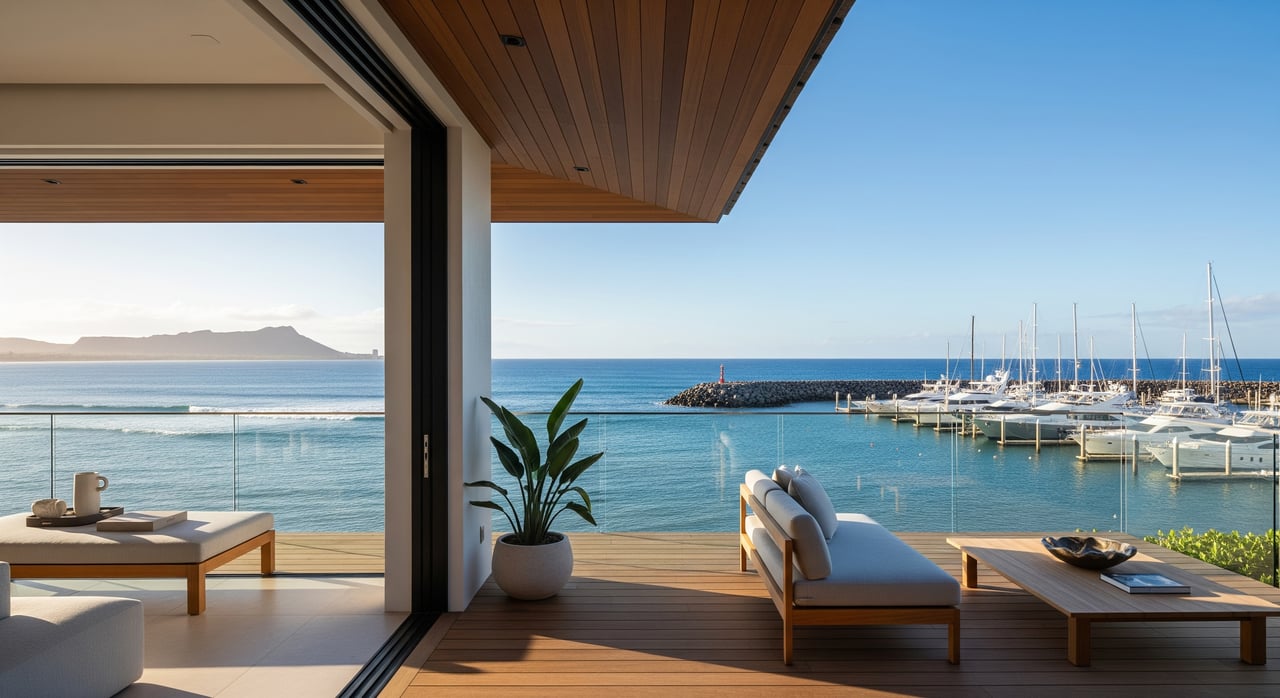
Are you torn between the drama of open ocean views and the ease of stepping from your lanai onto your boat? If you are weighing oceanfront versus marina‑front living around Koko Kai, you are not alone. Each option delivers a distinct lifestyle, set of maintenance realities, and long‑term considerations that matter at the luxury level. In this guide, you will get a clear, side‑by‑side comparison plus a practical checklist to help you buy with confidence. Let’s dive in.
Oceanfront estates place you directly on the open sea with an unbroken horizon. You get sweeping views, a powerful surf soundscape, and a beach, reef, or rocky shoreline between you and deep water. This is the classic postcard setting that many buyers dream about.
Marina‑front properties back onto a protected basin with calm water and dock infrastructure. The vibe is quieter and more intimate, with boats and masts in view and pier lights at night. If boating is central to your daily routine, this access can be a major quality‑of‑life upgrade.
Here is the quick snapshot:
If you want effortless embarkation, marina‑front living is hard to beat. Your day on the water starts at your back steps, which is ideal for frequent outings, fishing runs, or hosting guests who arrive by boat. The key is to verify the details that determine real‑world usability.
Oceanfront estates can still support an active boating lifestyle, but access works differently. You may rely on a mooring, tendering, or a short drive to a full‑service marina for fueling, haul‑out, and repairs. The shoreline may be rocky or reef‑fringed, and surf can influence when it is safe to launch.
On an oceanfront parcel, wave energy and wind are part of daily life. You will hear the ocean and feel the spray on breezy days, which adds character but also affects exterior finishes and landscaping. Surf height and direction influence swim safety and how often you can use shoreline amenities.
In the marina, water is typically calm. That said, wind can funnel along fairways and you may feel localized wake if the basin is busy. Currents, tidal range, and traffic patterns will influence how you plan departures and returns.
All coastal properties face evolving climate and sea‑level dynamics. Oceanfront parcels may see erosion, shoreline recession, and more frequent coastal flooding during major events. Some communities respond with seawalls, revetments, or nourishment projects, each with permitting and cost implications.
Marina‑front homes reduce direct wave impact but are still within flood zones in many areas. Flood risk, storm surge exposure, and future insurance trends should be part of your planning. Local data from tide stations, flood maps, and coastal management agencies can help you assess site specifics.
Oceanfront often includes wide sightlines. Depending on local access rules, nearby beachgoers or walkers may be part of the landscape. Thoughtful landscaping, setbacks, and gated elements can enhance privacy where allowed by local code.
Noise is primarily natural: waves and wind. Vehicle traffic tends to be minimal on more private oceanfront lanes, though specific conditions vary by street.
Marina settings feel more enclosed and can be very private day to day. Still, marina life includes boat movement, service vehicles, and occasional events. Lighting from docks and security stations adds nighttime visibility.
Security protocols differ from place to place. Some marinas have monitored access and cameras that add a layer of control, which many owners appreciate.
If you host boat‑centric gatherings or expect overnight guests to arrive by sea, a marina‑front property makes logistics simple. Multiple vessels can stage from your berth, and post‑outing transitions are easy.
If your vision is sunset viewings, beach days, and the sound of surf during dinner, oceanfront delivers that immersive backdrop. Guests arriving by boat, however, may need to tender ashore or use a nearby marina.
Oceanfront estates typically need more frequent exterior repainting, strict corrosion control for metals, and extra care for HVAC and mechanical systems exposed to salt. Landscaping choices matter because salt spray can stress some plantings.
Marina‑front homes face marine exposure too, focused on the waterside facade. Expect biofouling on steps or seawalls, dock care, and periodic pile and fastener replacement. Routine rinsing, sacrificial anodes, and corrosion‑resistant fixtures pay off in both settings.
Whether oceanfront or marina‑front, review potential shared costs. These can include dock maintenance, dredging assessments, seawall or bulkhead upkeep, and HOA fees with special assessments. Ask for maintenance records and reserve studies to understand what is planned and funded.
Waterfront ownership often involves layered insurance: homeowners, flood, windstorm where applicable, and marine liability if you own a dock. Some insurers have stricter requirements or higher premiums for direct ocean exposure or lower‑elevation sites. It is smart to get preliminary quotes early, ideally with an elevation certificate.
On the permitting side, shoreline projects can trigger coastal reviews, setback rules, and environmental approvals. If you anticipate future modifications, understand the pathway and timeline before you close.
Oceanfront homes usually command a premium for rarity and view. Buyers who prioritize spectacle, sunsets, and beach adjacency will compete for these sites. At the same time, some buyers weigh projected maintenance, insurance trends, and shoreline change in their valuation.
Marina‑front homes are highly compelling to active boaters and anyone who wants seamless water access. Value can hinge on the certainty and quality of the slip arrangement and the overall management of the marina infrastructure.
Sale outcomes can diverge based on how buyers in a given season value boating access versus beachside living. Deeded slips, the condition of docks and bulkheads, and recent assessments all influence comparables. Clean documentation and well‑maintained marine assets support stronger resale positions.
For marina‑front properties, association governance matters. Reserve funding, documented maintenance plans, and clear rules for slips and guest use are direct inputs to future costs and marketability. Strong records and transparent operations build buyer confidence at resale.
Use this list to organize your pre‑offer and escrow research:
Selecting between oceanfront and marina‑front around Koko Kai is ultimately a lifestyle decision supported by smart due diligence. With clear priorities and the right advisors, you can secure a property that fits how you live now and how you plan to enjoy the islands for years to come. If you would like a private, design‑minded strategy for your search, connect with Elise Lee for concierge guidance and discreet tours.
Stay up to date on the latest real estate trends.

Elise brings a fresh, creative international perspective to her Luxury Real Estate, Concierge & Interior Design career. She chairs the Honolulu Board of Realtors® City Affairs Committee, is on the Board of Directors for the Hawaii Economic Association, an Officer in the Confrérie de la Chaîne des Rôtisseurs Hawaii Bailliage.