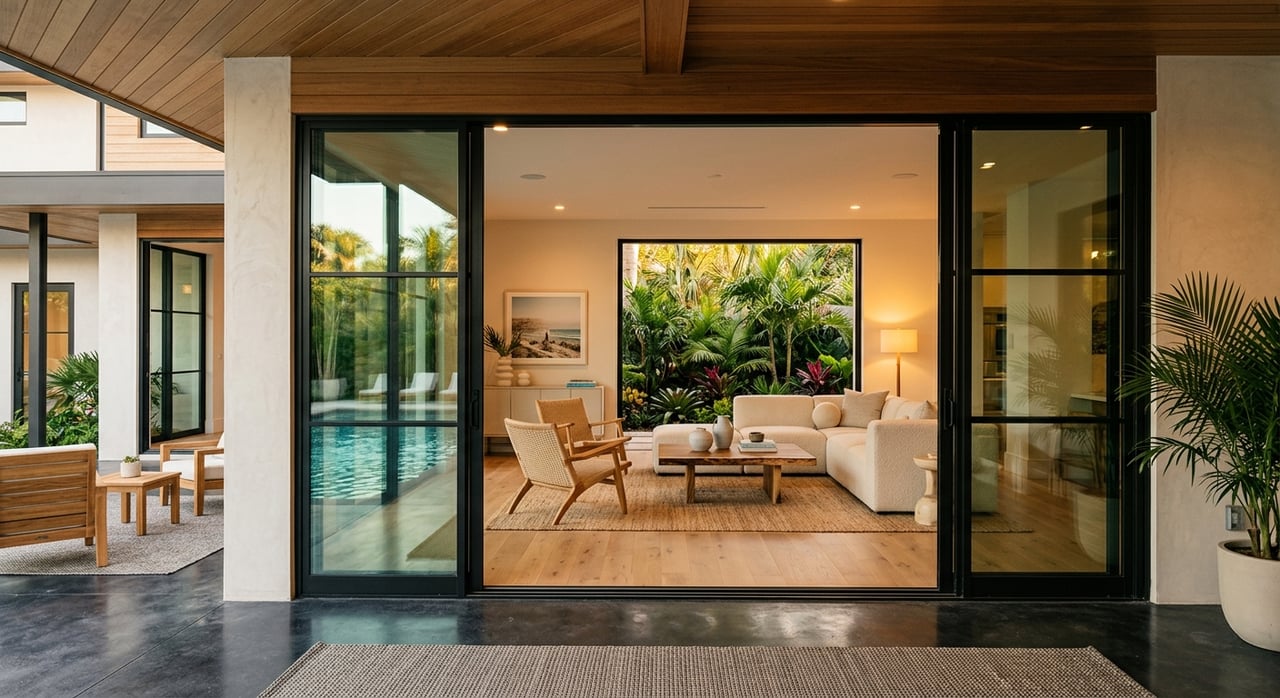
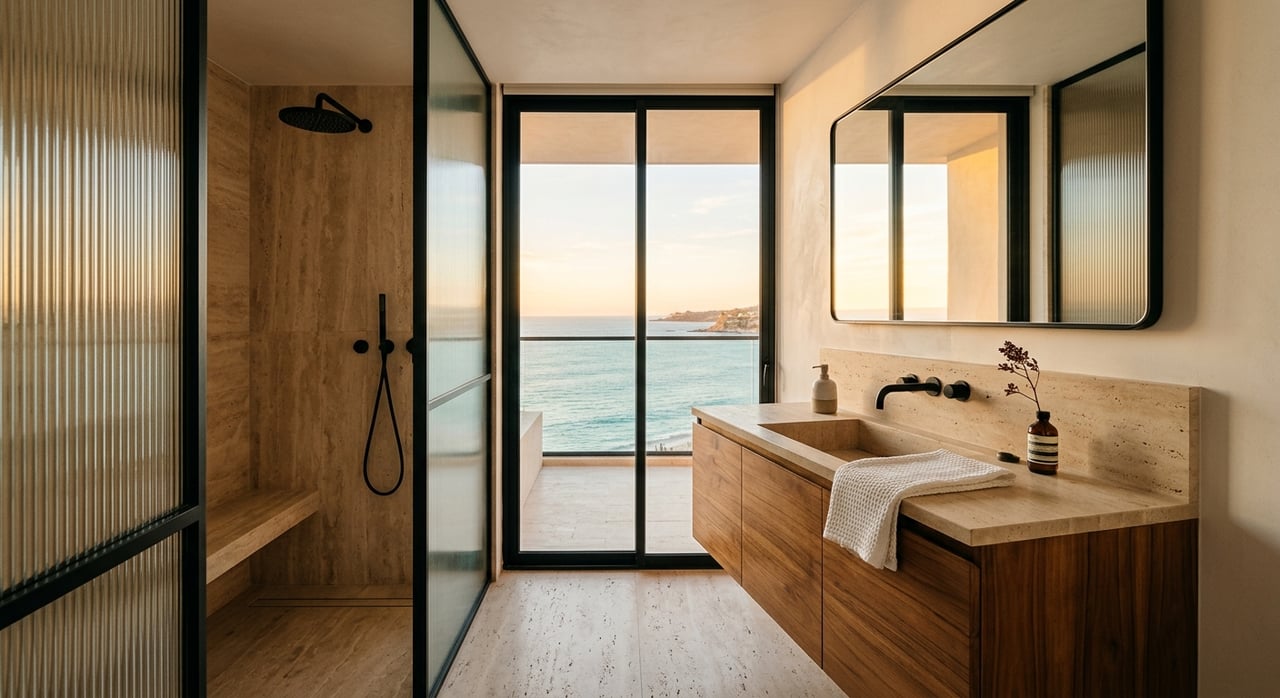
Should you design a custom retreat from the ground up or step into a finished luxury home and start living? If you are weighing Oʻahu vacant land against an existing property, you are choosing between maximum control and speed to occupancy. Both paths can work beautifully when you understand timelines, permits, site realities, and carrying costs. This guide gives you the side-by-side context you need to move forward with clarity. Let’s dive in.
Quick decision guide
- Choose building if you value full design control, specific orientation or materials, and you can accept a longer path to occupancy.
- Choose buying existing if you prioritize immediate use, simpler financing, and earlier potential for rental income where allowed.
- Consider a renovate-and-hold strategy if you want a middle ground with less site risk than raw land but more customization than turnkey.
Market context on Oʻahu
Location is the primary price driver on Oʻahu. East Oʻahu enclaves such as Kailua and Lanikai, Honolulu neighborhoods including Kahala and Diamond Head, and North Shore beach areas often command premium pricing. Coastal lots also layer in special setbacks, erosion concerns, and tsunami or flood considerations that can affect feasibility and cost.
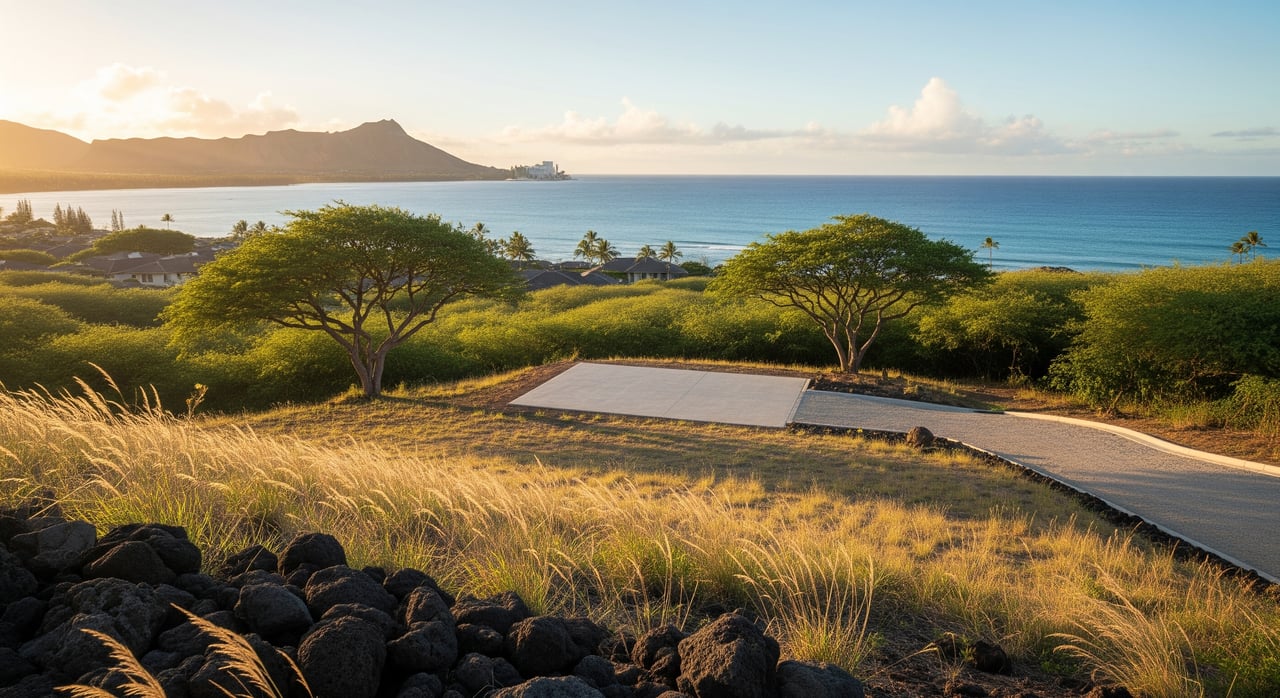
Vacant, buildable parcels are scarce. Fragmented lots, topography, and infrastructure constraints can increase both timelines and budgets. Buying an existing luxury home typically offers a faster, more predictable path, while building introduces uncertainty but rewards you with a home tailored to your lifestyle.
What drives total cost
When you compare paths, look beyond the headline price and tally every component:
- Land purchase price and any HOA or community covenants.
- Site development: clearing, grading, retaining walls, drainage, and driveway or access improvements.
- Utilities: water hookup fees, sewer or onsite wastewater system, electrical extension, and telecom.
- Hard construction: structure and finishes. High-end finishes raise per-square-foot costs.
- Soft costs: architectural and engineering design, surveys, geotechnical report, energy and structural engineering, and permitting fees.
- Financing and carrying: construction loan interest, property taxes, insurance, and security or maintenance while the site is undeveloped.
- Contingency: plan a 10 to 20 percent buffer for overruns.
Buying existing consolidates most costs in the purchase price and closing fees. Building requires more upfront design and permitting costs, and total spend can equal or exceed a comparable finished home depending on site complexity and finish level.
Timeline: how long until you can use it
Buying an existing luxury home
- Offer to contract: days to a few weeks.
- Due diligence and inspections: typically 7 to 14 days, depending on contract terms.
- Loan underwriting and closing: about 30 to 60 days for financed deals. Cash can close faster.
- Move-in: immediately after closing, subject to any agreed repairs.
Building on vacant land
- Pre-purchase due diligence: weeks to months for surveys, zoning checks, and geotechnical work.
- Design and permitting: often the bottleneck. Expect several months to over a year. A common range for a custom home is 3 to 12 months for permitting and approvals, with complex coastal or hillside sites taking longer.
- Site prep and construction: roughly 9 to 18 months after permits, depending on size and complexity.
- Total time to occupancy: commonly 12 to 36 months from decision to completion, with simple infill lots on the shorter end and coastal or estate-scale builds on the longer end.
Common causes for delay
- Environmental or archaeological surveys and mitigation.
- Special Management Area or shoreline approvals that may include public hearings.
- Utility extensions or upgrades with third-party timelines.
- Plan review backlogs and revision cycles at the county.
- Weather, supply chain constraints, or labor shortages affecting specialty materials.
Permits and approvals to expect
For new builds, early contact with the right agencies reduces surprises. Key parties include:
- City and County of Honolulu Department of Planning and Permitting: zoning, building permits, grading, stormwater, Special Management Area, and Certificates of Occupancy.
- Honolulu Board of Water Supply: potable water service and meter availability. Some areas have capacity limits or waitlists.
- Hawaiian Electric Company: electric service upgrades and line extensions.
- Hawaiʻi Department of Health: wastewater rules for sewer connections or onsite systems where sewer is not available.
- State Historic Preservation Division: archaeological review and mitigation if ground disturbance affects cultural resources.
- U.S. Army Corps of Engineers: if wetlands or certain coastal work is involved.
Typical approvals can include zoning verification, building permits, grading and stormwater permits, wastewater approvals, water meter requests, Special Management Area permits for coastal sites, shoreline setbacks or certifications, and in certain cases environmental assessments. Many approvals require detailed plans and technical reports, and some proceed in sequence, not in parallel. Early coordination helps identify potential roadblocks.
Site and utility factors to evaluate
Utilities and connections
- Water: verify service availability and any required payments for new mains or meter upsizing.
- Sewer or onsite wastewater: many urban areas have sewer; rural or remote parcels may require onsite systems. Statewide attention on cesspool upgrades means you should confirm rules and timelines early.
- Electricity: service upgrades and line extensions depend on proximity to existing infrastructure and can involve added cost and time.
- Telecom: broadband availability varies. Luxury builds often include backup power and smart-home wiring.
Physical site constraints
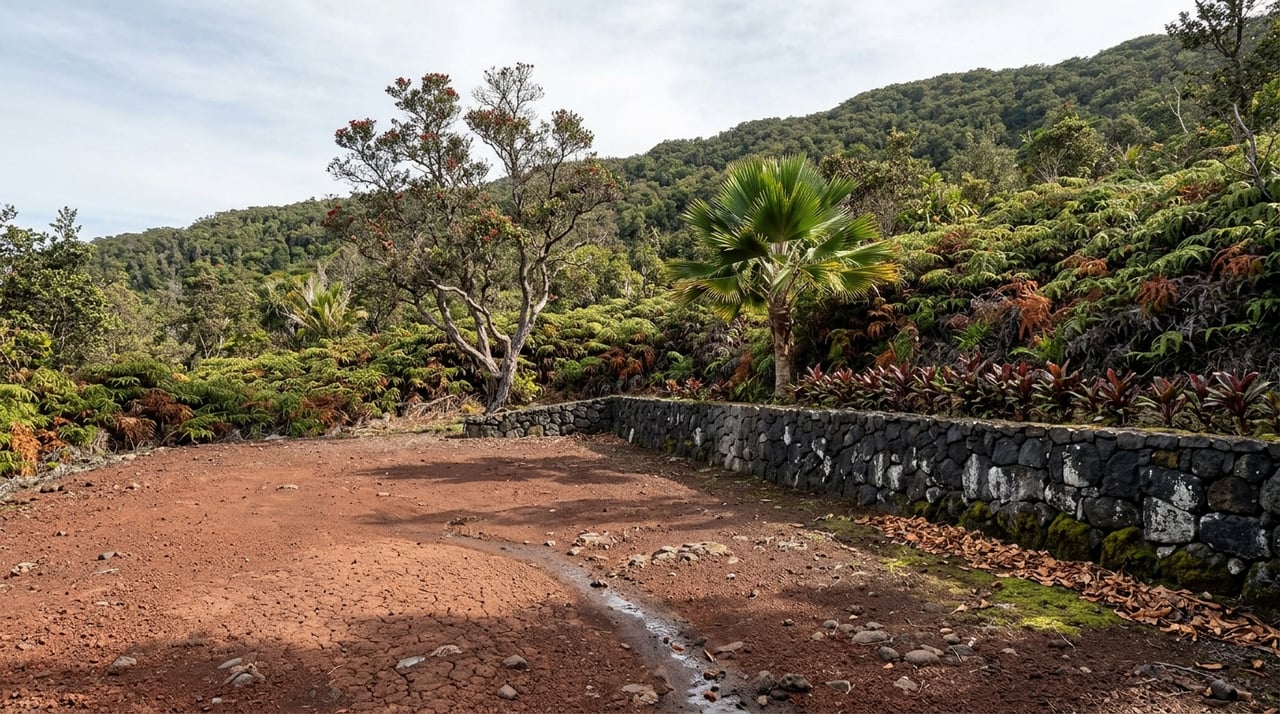
- Topography and slope: hillside lots can require substantial retaining walls and engineered foundations.
- Soil and geotechnical: borings inform foundation design, drainage, and potential issues such as liquefaction or expansive soils.
- Access and easements: confirm legal road access, utility easements, and any shared driveway agreements.
- Floodplain, tsunami inundation, and coastal erosion: coastal parcels require added setbacks, higher insurance costs, and planning for sea level rise.
- Archaeological and cultural resources: iwi kūpuna or other significant sites may require mitigation and can pause construction.
Design control and custom options
Building gives you maximum control over layout, orientation, materials, and energy strategies such as cross ventilation and passive cooling. Buying an existing luxury home gives you immediate use and proven systems but limits structural changes without new permits. A renovation path can create a balanced outcome if the existing structure meets your core needs.
Financing, carrying costs, and investor lens
- Construction financing: construction loans often fund interest-only draws during the build and convert to a permanent mortgage. Expect to provide detailed plans, budgets, and a construction contract.
- Lot loans: available but often at higher rates and shorter terms. Many lenders want a clear plan to convert to construction financing.
- Buying existing: standard mortgage underwriting applies and is generally more straightforward.
Carrying costs matter. Vacant land and long build timelines mean property taxes, insurance, and interest without immediate use. Buying an existing home allows earlier move-in and, where allowed, faster rental potential.
From an investment perspective, building spreads your exposure across a longer window, which can be beneficial or risky depending on market shifts. Custom estates in prime neighborhoods can capture strong resale value if execution aligns with neighborhood comparables. Overbuilding for the area is a risk to watch.
Short-term rental rules vary by neighborhood and are subject to Honolulu ordinances. Confirm zoning and registration requirements before modeling rental income. If you plan to operate a rental, also budget for transient accommodations tax and general excise tax.
Insurance for coastal properties, including hurricane or wind coverage and flood insurance, can be significant. Lenders may require builder’s risk coverage during construction and standard policies at closing.
Due diligence checklist
Use this checklist whether you are eyeing a raw parcel or a renovate-ready property:
- Confirm zoning and permitted uses with the Department of Planning and Permitting. Request a zoning verification letter.
- Order a current survey to verify boundaries, easements, and encroachments. Include a topographic survey for design.
- Commission a geotechnical study to inform foundation and drainage design.
- Check water service availability and meter capacity with the Board of Water Supply.
- Confirm sewer availability or onsite wastewater requirements with the Department of Health. Ask about cesspool upgrades.
- Contact Hawaiian Electric for service availability and potential extension costs.
- Determine if the parcel lies in a Special Management Area, shoreline setback, conservation district, floodplain, or tsunami zone.
- Consult the State Historic Preservation Division regarding archaeological review and any required mitigation.
- Review HOA or community covenants for design controls and rental restrictions.
- Obtain preliminary insurance quotes for wind, hurricane, and flood coverage.
- Speak with experienced local architects, builders, and engineers for realistic timelines and budgets. Request recent comparable project examples.
A practical way to choose
Start by defining your true priority: time to occupancy or complete design control. Then set a preliminary budget that includes all soft costs, utilities, and a realistic contingency. Map your timeline using the ranges above and identify where Special Management Area or shoreline triggers might add months. If you still feel torn, consider a high-quality existing home with a focused renovation plan that targets your top 3 must-haves.
How a boutique advisor helps
A concierge approach can reduce friction at every step. With buyer and seller representation, rental facilitation, and hands-on transaction coordination, you can compare options with clarity, source on- and off-market opportunities, and move efficiently once you decide. For clients who value design and wellness, staging and interior guidance grounded in Feng Shui principles can help you refine or reimagine an existing home so it truly fits your lifestyle.
If you are ready to weigh specific lots against standout listings in Kahala, Diamond Head, the Gold Coast, North Shore, or beyond, you do not have to navigate it alone. A trusted, culturally attuned advisor keeps your goals front and center while coordinating the details that matter most.
Ready to talk through your plan, timeline, and ideal neighborhoods? Connect with Elise Lee to explore a tailored path forward and Request a Private Consultation.
FAQs
How long does it take to occupy a home on Oʻahu if I buy vs. build?
- Buying existing typically closes in 30 to 60 days for financed purchases and faster for cash; building commonly takes 12 to 36 months from decision to occupancy.
What costs are easy to overlook when building on vacant land?
- Site development, utility extensions, soft costs for design and engineering, permitting and impact fees, and a 10 to 20 percent contingency for overruns.
What permits might I need to build near the coast on Oʻahu?
- You may need Special Management Area approvals, shoreline setback or certification, building and grading permits, wastewater approvals, and possible archaeological review.
What are the biggest risks with raw land on Oʻahu?
- Hidden site conditions, utility availability and lead times, permitting triggers such as SMA or archaeology, and construction delays that extend cost and timeline.
Can I plan on short-term rental income from a new purchase or build?
- Do not assume; Honolulu’s short-term rental rules and neighborhood restrictions vary. Verify zoning and registration requirements before relying on rental income.
Who should I contact first for a feasibility check on a parcel?
- Start with the Department of Planning and Permitting for zoning and permit scope, the Board of Water Supply for water service, and then consult local architects or builders for cost and timeline estimates.